UK Casinos in Flux: Regulations, Tech Shifts, and Player Habits Reshaping the Scene
UK Gambling Commission Reaches AML Settlement with Octobet Operator Octopus Game Limited

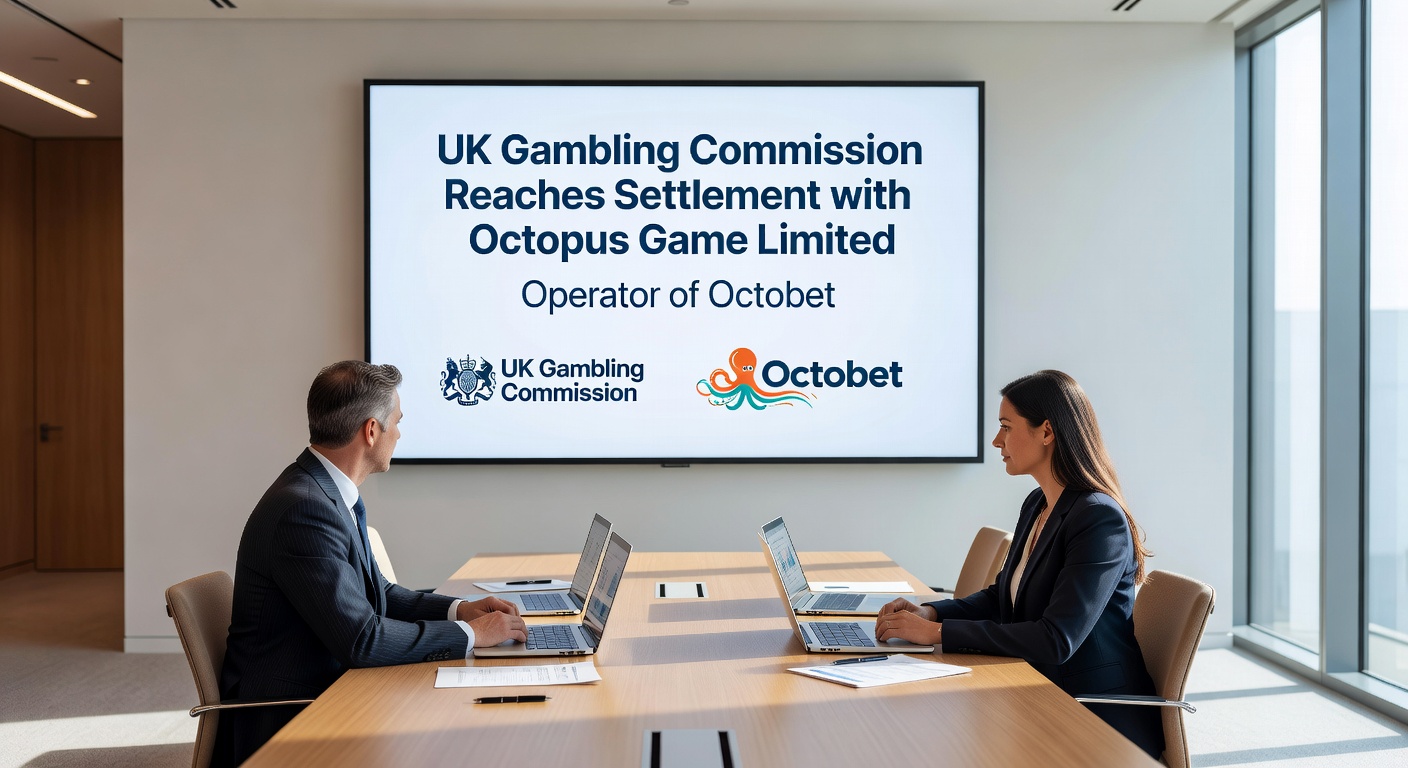
Observers note how the UK Gambling Commission continues tightening its grip on online casino operators, and the latest move came on 25 March 2026 when it finalized a settlement with Octopus Game Limited, the company behind the Octobet online casino platform; this agreement addressed specific shortcomings in the operator's anti-money laundering (AML) and counter-terrorist financing (CTF) measures, prompting Octopus Game to agree to a public statement acknowledging the issues, cover the Commission's costs, and hand over a £26,000 payment in place of a full financial penalty.
What's interesting here is that such settlements underscore the Commission's preference for regulatory compliance over outright punishment in certain cases, especially when operators show willingness to rectify problems quickly, although the details reveal a pattern of enforcement that's been ramping up across the UK gambling sector since stricter AML rules took hold.
Background on the Regulatory Action
The Gambling Commission launched its investigation into Octopus Game Limited after routine compliance checks uncovered gaps in the operator's systems designed to prevent money laundering and terrorist financing, controls that every licensed gambling business must maintain under the Money Laundering, Terrorist Financing and Transfer of Funds (Information on the Payer) Regulations 2017; those regulations demand robust customer due diligence, ongoing transaction monitoring, and risk assessments tailored to high-risk activities like online casinos where large sums move swiftly between players and platforms.
Experts who've tracked these cases point out that Octobet, operating under a UK Gambling Commission licence, handles deposits, bets, and withdrawals in an environment ripe for exploitation if safeguards falter, and the Commission's review pinpointed failures that could have allowed illicit funds to flow undetected, although specifics on the exact lapses remain detailed primarily in the operator's public statement.
But here's the thing: this isn't an isolated incident; data from the Commission shows hundreds of similar probes each year, with operators facing everything from warnings to licence revocations depending on the severity, yet settlements like this one allow businesses to stay operational while funding improvements.
Take the timeline: the matter concluded swiftly by late March 2026, and as April rolls in, those in the industry watch closely for any follow-up audits or how this plays out in quarterly compliance reports.
- Customer verification processes fell short in identifying high-risk players.
- Transaction monitoring tools didn't flag unusual patterns effectively.
- Staff training on AML/CTF protocols needed strengthening to meet licence conditions.
Those elements, while not exhaustive, highlight common pressure points where operators like Octopus Game must fortify defenses, and the settlement terms reflect a balanced approach that keeps the platform serving UK players under heightened scrutiny.
Breaking Down the Settlement Terms
Octopus Game Limited stepped up with clear commitments under the deal, starting with issuing a public statement on the Commission's public register, a document that lays out the failures transparently and reassures the public about corrective steps already underway; alongside that, the operator agreed to reimburse the Commission's investigation and enforcement expenses, figures that often run into tens of thousands based on past cases, and capped it off with a £26,000 payment designated specifically in lieu of a financial penalty.
Now, that payment structure carries weight because it diverts funds directly toward regulatory efforts rather than a standard fine, allowing the Commission to channel resources back into oversight; figures from similar settlements reveal these amounts vary widely, from a few thousand pounds up to millions for graver breaches, but £26,000 signals a mid-tier resolution where cooperation likely influenced the outcome.
And while the operator keeps its licence intact, the public statement serves as a lasting marker on record, accessible to players and partners alike, which means anyone checking Octobet's credentials encounters this chapter head-on.
People who've followed these agreements often discover that such terms encourage self-reporting and rapid fixes, turning potential shutdowns into opportunities for stronger compliance, especially in a sector where player trust hinges on clean operations.
Why Payments in Lieu Matter
These in-lieu payments, as Commission data indicates, have become a go-to tool since 2020, with over 50 such deals logged in recent years; they differ from penalties by tying directly to case costs or industry initiatives, and in Octopus Game's situation, the £26,000 figure underscores proportionality, given the operator's size and the contained nature of the breaches.
It's noteworthy that no player funds faced disruption during this process, a detail that keeps operations humming while regulators enforce accountability.
AML and CTF Controls in the UK Gambling Landscape
Every licensed operator navigates a web of requirements under the Gambling Act 2005 and subsequent AML directives, where platforms like Octobet must implement source-of-funds checks, enhanced due diligence for VIPs, and automated alerts for suspicious activity; research from regulatory reports shows online casinos process billions in transactions annually, making these controls non-negotiable to block criminals from using gambling as a laundering vehicle.
Turns out, failures often stem from outdated software or inadequate training, issues the Commission addresses through targeted enforcement, and Octopus Game's case fits a trend where smaller operators adapt faster post-settlement compared to larger ones bogged down by scale.
Yet, as April 2026 compliance deadlines loom for updated risk assessments, this development reminds the sector that vigilance pays off, with data revealing a 20% uptick in proactive audits following similar public actions.
One study from industry analysts found that operators strengthening AML post-settlement see fewer repeat issues, and Octobet's path now aligns with that trajectory, complete with board-level oversight commitments implied in the agreement.
Player Protections at the Core
Players benefit indirectly because fortified controls mean safer environments, where deposits and winnings face less risk of entanglement in illicit schemes; the Commission emphasizes this in guidance, noting how effective CTF measures also safeguard against terror-linked funding, a dual mandate that's evolved with global threats.
Ongoing Enforcement Trends and Industry Response
So, with this settlement fresh in March 2026, the Gambling Commission signals no let-up, as evidenced by parallel actions against other operators for parallel lapses; statistics from the public register list dozens of cases yearly, blending fines, warnings, and deals like this one to foster a compliant ecosystem.
But here's where it gets interesting: Octopus Game's quick resolution likely stemmed from early cooperation, a factor experts observe speeds up closures while imposing real change, and as the operator rolls out fixes, players can expect smoother verifications and faster suspicious-activity reporting.
The reality is that UK gambling's high stakes demand airtight controls, especially with crypto and e-wallets complicating flows, although Octobet's traditional setup focused regulators on core fiat-based vulnerabilities.
Those who've studied the beat know repeated offenders face steeper consequences, but first-time settlers like this often emerge leaner, ready for the next audit cycle that April 2026 brings.
Industry groups, meanwhile, push for clearer guidance to preempt such hiccups, citing the Commission's own annual reports that call for tech upgrades across the board.
Conclusion
This settlement between the UK Gambling Commission and Octopus Game Limited wraps a chapter on AML/CTF lapses at Octobet, with the £26,000 payment, cost coverage, and public statement paving the way for enhanced safeguards; as the dust settles into April 2026, the move reinforces regulatory priorities, ensuring online casinos prioritize clean operations amid evolving threats.
Observers keep an eye on the public register for updates, where transparency drives the sector forward, and operators like Octopus Game demonstrate that accountability, when met head-on, sustains licences and player confidence alike.