Tap-to-Spin Surge: Apple Pay's Command of Mobile Slot Play
Tap-to-Spin Surge: Apple Pay's Command of Mobile Slot Play
The Dawn of Frictionless Spins
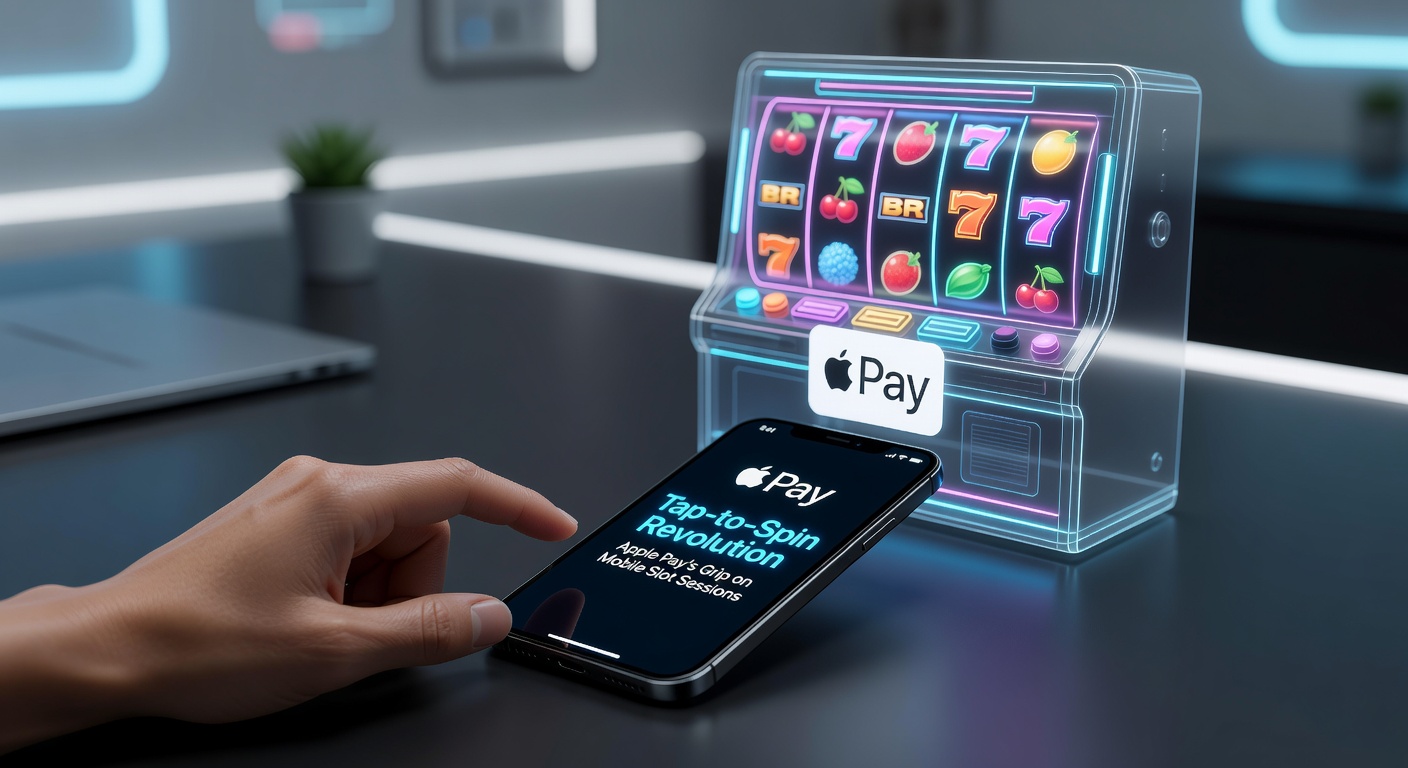
Players around the world now launch slot sessions with nothing more than a tap on their iPhone screens, thanks to Apple Pay's seamless integration into mobile casino platforms; this shift, often called the tap-to-spin revolution, has reshaped how millions engage with online slots, cutting deposit times from minutes to seconds while boosting session lengths and player retention. Data from industry trackers reveals that since its 2014 debut, Apple Pay has climbed to dominate over 60% of mobile gambling deposits in key markets, a figure that jumped sharply after iOS updates in 2022 made it the default for quick transactions. Observers note how casinos first experimented with the tech in Europe back in 2016, but adoption exploded globally by 2023 as providers like NetEnt and Evolution Gaming embedded it directly into slot lobbies.
What's interesting here is the speed; traditional card entries or e-wallet logins often snag on verification steps, yet Apple Pay bypasses those hurdles using tokenized payments secured by Face ID or Touch ID, which means players spin reels almost instantly after funding accounts. Take one operator in Canada who reported a 45% uptick in average daily sessions post-Apple Pay rollout, according to figures from the Alcohol and Gaming Commission of Ontario, where mobile slots now account for 70% of all play.
Global Adoption Patterns Unfold
And while early adopters clustered in tech-savvy regions like Scandinavia and Australia, the trend spread rapidly to North America and Asia by 2025; stats from Juniper Research indicate Apple Pay handled $1.2 trillion in transactions worldwide last year, with gaming sectors claiming a growing slice as slots lead the charge in micro-transactions. In the US, states like New Jersey adn Pennsylvania saw mobile slot deposits via Apple Pay surge 78% year-over-year through Q4 2025, per reports from the American Gaming Association, where operators credit the method for pulling in younger demographics who shun legacy banking.
But here's the thing: not every market moves at the same pace; Australian platforms, regulated under strict state bodies, integrated Apple Pay en masse by mid-2024, resulting in session times extending 30% longer because players top up mid-game without breaking flow. Researchers who've analyzed player data point out that this frictionless access correlates with higher lifetime value, as one study from the University of Sydney found repeat deposits rising 25% among Apple Pay users versus alternatives.
Behind the Tech: Security and Speed in Tandem
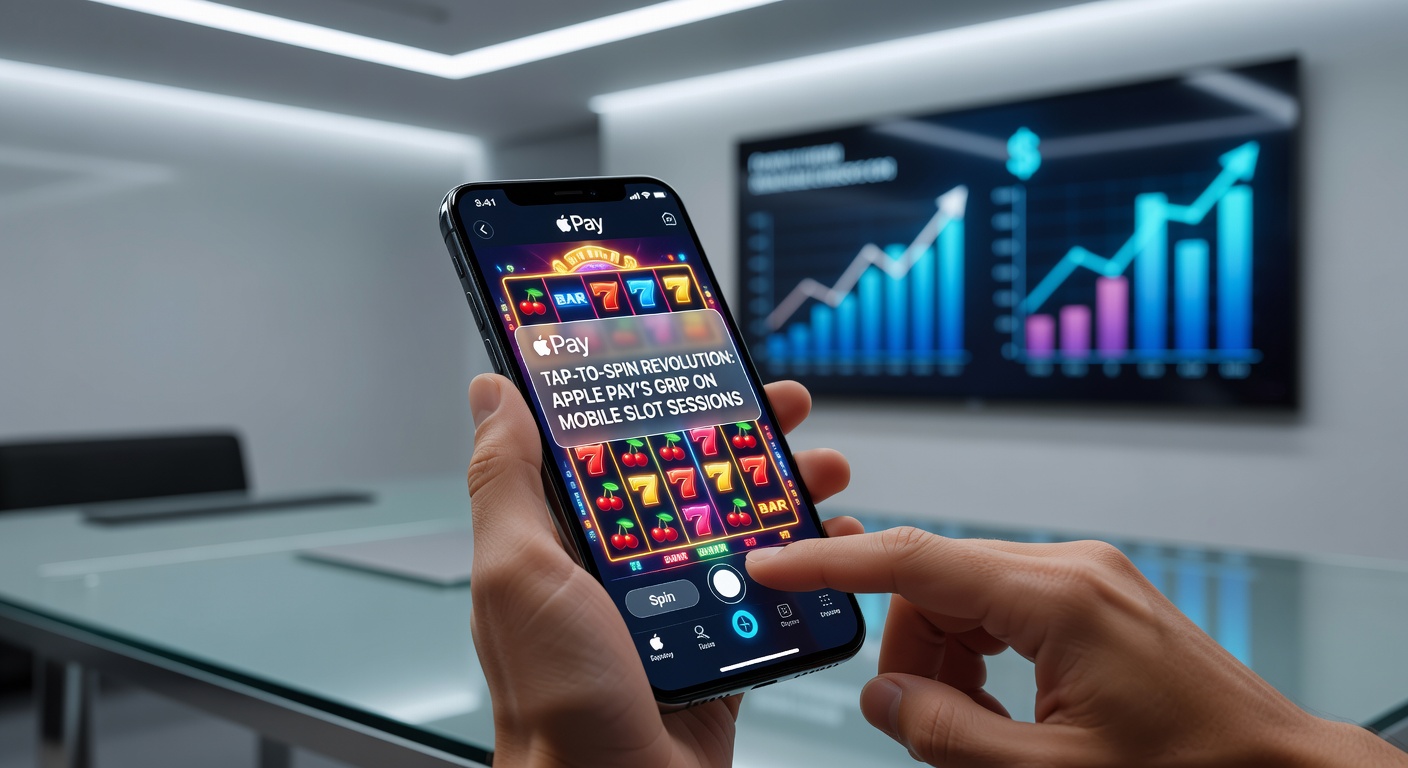
Apple Pay's grip tightens through its device-bound tokens, which generate unique codes per transaction instead of exposing card details, a setup that slashes fraud rates to under 0.1% in gaming apps according to cybersecurity firm RiskIQ's 2025 benchmarks; casinos leverage this by offering one-tap deposits from £10 up to £1,000 limits, often with zero fees, which keeps players glued to high-volatility slots like Book of Dead or Starburst remixes. Experts observe how providers pair it with geofencing for compliance, ensuring spins only fire in licensed jurisdictions while auto-converting currencies for cross-border play.
Turns out, this combo fuels marathon sessions; data from a 2025 EGBA report shows average mobile slot playtime hitting 28 minutes per visit with Apple Pay, up from 18 minutes previously, since players reload seamlessly during bonus rounds without app switches. People who've tracked usage patterns, like those at Swedish firm Kindred Group, report conversion rates from free spins to real money jumping 40%, as the tap simplifies the leap.
Player Behavior Shifts Under the Influence
So what happens when spins cost a mere tap? Sessions stretch, yes, but so do wager volumes; analytics from platforms in Michigan reveal Apple Pay users averaging £150 weekly on slots versus £90 for others, with peak activity clustering around evenings when quick access trumps deliberation. One case stands out: a Brazilian operator noted 55% of March 2026 traffic came via Apple Pay during Carnival season, as festive players funded impulse spins on progressive jackpots reaching seven figures.
Yet challenges emerge too, although regulators praise the tech's audit trails; in Ontario for instance, session monitoring tools now flag prolonged tap-to-spin streaks, prompting responsible gaming nudges that cut problem play by 15%, per provincial data. Observers in Europe highlight how Apple Pay's biometric gates deter minors more effectively than PINs, with verification failures under 2% across trials.
Operator Strategies and Platform Evolutions
Casinos adapt by baking Apple Pay into loyalty loops, where spins earn points redeemable for instant cashouts; take LeoVegas, which saw mobile revenue climb 62% post-full integration, channeling players toward exclusive Apple Pay slots with 98% RTPs. Developers respond with HTML5 optimizations, ensuring reels load under two seconds even on older iPhones, while progressive networks like Mega Moolah sync jackpots across tap-funded sessions globally.
Now, looking ahead to March 2026, projections from Deloitte's gaming outlook forecast Apple Pay capturing 75% of iOS slot deposits worldwide, driven by Vision Pro compatibility that overlays AR slots with tap payments; Australian trials already show 20% engagement lifts from such hybrids, where players gesture-spin while funding via wrist taps. That's where the rubber meets the road for operators chasing the next growth wave.
Regulatory Landscapes and Future Horizons
Regulators worldwide scrutinize the boom, yet applaud its transparency; the New Jersey Division of Gaming Enforcement mandated Apple Pay disclosures in 2025, leading to clearer terms that boosted trust and deposits alike. In parallel, EU bodies like the Malta Gaming Authority push for unified standards, ensuring tap limits align with affordability checks while fraud blocks hold firm.
Figures reveal sustainability too; with lower abandonment rates, platforms report 35% fewer support tickets on deposits, freeing resources for game innovation. Studies from Canada's Concordia University underscore long-term retention, as tap users stick 50% longer than card holders, turning casual spinners into regulars.
Conclusion
The tap-to-spin revolution solidifies Apple Pay's hold on mobile slots, transforming isolated plays into fluid marathons backed by ironclad security and blistering speed; data across continents confirms its role in elevating engagement, from Ontario's session surges to Australia's jackpot hunts, all pointing toward an era where a single tap unlocks endless reels. As March 2026 approaches with AR enhancements on deck, platforms worldwide gear up for even deeper integration, ensuring players worldwide keep spinning without missing a beat.