Roulette on Your Phone: UK's Swiftest Cashouts, Premier Live Tech, Slot Synergies, and Bonus Plays
UK Gambling Commission Rolls Out Immediate Removal Mandate for Faulty Gaming Machines in Land-Based Venues

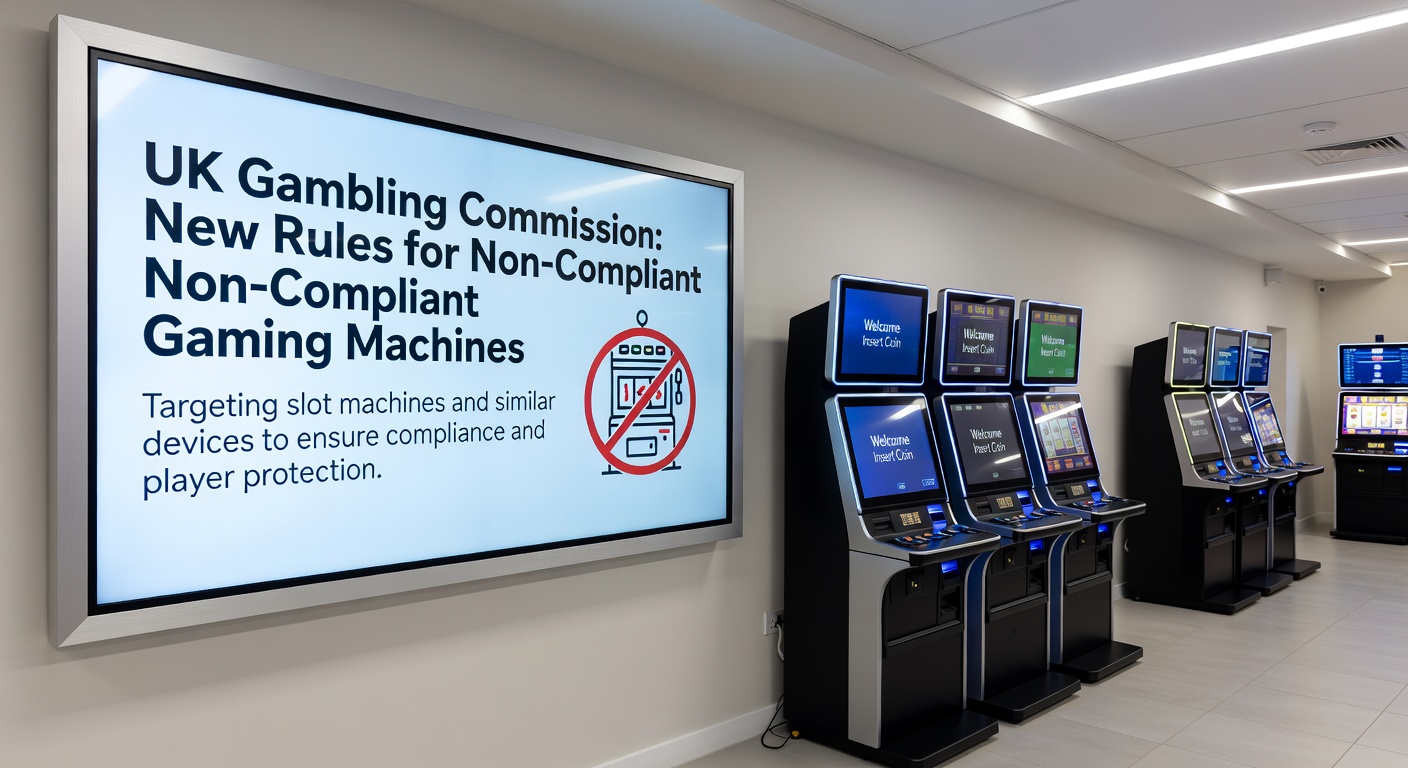
The UK Gambling Commission has unveiled fresh regulations targeting non-compliant gaming machines like slot machines in physical venues across the country, mandating that non-remote operators yank them off the floor right away once notified of problems tied to their manufacture, supply, installation, adaptation, maintenance, or repair if those don't square with licensing standards.
Origins in Consultation and Broader Reforms
These updates spring directly from the Commission's review of consultation feedback alongside key government proposals, including those outlined in the High Stakes: Gambling Reform for the Digital Age white paper, which pushes for tighter controls in an industry long scrutinized for player protection gaps.
What's interesting here is how the rules zero in on land-based setups—think pubs, arcades, bingo halls, and casinos—where gaming machines generate steady revenue but also draw regulatory heat over technical glitches or safety lapses that could mislead players or compromise fairness.
Previously, operators faced drawn-out processes to address flagged machines, often involving protracted assessments or temporary shutdowns that dragged on; now, the streamlined approach kicks in with an immediate removal notice, cutting through red tape while holding manufacturers and suppliers accountable from the get-go.
Breaking Down the Core Requirements
Under the new framework, non-remote operators—those running brick-and-mortar gambling spots—must act swiftly upon receiving a notification from the Commission about any non-compliance in a machine's lifecycle stages, whether it's shoddy manufacturing that leads to payout errors, improper installation causing mechanical faults, or botched repairs that restore faulty software.
And it's not just about pulling the plug temporarily; the rules demand full removal from the premises until the issues get resolved to licensing specs, ensuring no player interacts with potentially rigged or unsafe equipment in the interim.
Take a typical Category B or C slot machine, common in UK high streets and leisure spots; if data logs reveal manipulated random number generators during maintenance checks, or if adaptation mods fail integrity tests, operators have zero wiggle room—out it goes, pronto.
Experts who've tracked these machines note that such issues, though rare, have cropped up in past audits, leading to fines or license revocations when overlooked, so this proactive stance aligns with ongoing efforts to safeguard both punters and venue owners from liability headaches.
Timeline Ties into Wider Regulatory Shifts
The changes land with a clear rollout date of 29 July 2026, giving operators ample runway to audit inventories, train staff on protocols, and coordinate with suppliers—yet that buffer doesn't mean business as usual in the lead-up.
Observers point out how this slots into the bigger picture of UK gambling reforms, where March 2026 marks a pivotal checkpoint for enhanced affordability checks and stake limits on online slots, indirectly pressuring land-based operators to tighten their own compliance games ahead of the curve.
So while the immediate removal rules don't hit until mid-2026, venues might ramp up voluntary inspections now, especially since the Commission has signaled ramped-up monitoring in the interim to weed out persistent offenders.
That said, the phased approach reflects lessons from earlier consultations, where stakeholders flagged the need for balanced enforcement that doesn't cripple smaller arcades overnight but still delivers swift consumer protections.
Consumer and Operator Safeguards at the Forefront
At its heart, the policy aims to shield players from unfair games that could stem from manufacturing defects—like reels that stick due to poor supply chain parts—or maintenance oversights that erode trust in payouts, while also sparing operators the nightmare of prolonged investigations that tie up cash flow.
Figures from prior Commission reports reveal that non-compliant machines, though a small fraction of the roughly 200,000 units in operation across UK land-based sites, have triggered complaints over perceived rigging, prompting calls for faster fixes.
Here's where it gets interesting: by mandating instant removal, the rules shift the onus onto manufacturers and technicians to deliver bulletproof equipment from day one, potentially spurring industry-wide upgrades in quality control and documentation.
One case from recent years involved a batch of slots with faulty coin mechanisms installed in regional casinos; operators faced weeks of downtime under old rules, but this new system would have expedited resolution, minimizing losses for everyone involved.
People in the sector often discover that proactive compliance pays off anyway—venues with robust maintenance logs dodge notifications altogether, keeping floors humming without interruption.
Navigating Compliance in Practice
Operators now face the task of mapping out response plans, from designating on-site tech leads who can verify notifications on the spot to partnering with certified repair firms that meet Gambling Commission benchmarks.
But it's not rocket science; many larger chains already run daily diagnostics via software linked to central servers, flagging anomalies before regulators even knock, and this rule simply formalizes that best practice for all.
Smaller independents, like family-run bingo halls with a handful of machines, might lean on trade associations for guidance, ensuring they don't get caught flat-footed come 2026.
Turns out, the consultation process unearthed practical tweaks too, such as allowances for interim storage on-site under strict seals, preventing outright scrapping of fixable gear while still enforcing removal from play.
Those who've studied the landscape know that enforcement will blend spot checks, operator self-reporting, and whistleblower tips, creating a web of accountability that covers the full supply chain.
Industry-Wide Ripples and Preparations
As the 2026 deadline looms, suppliers scramble to certify their pipelines, with early adopters touting enhanced testing regimes that preempt common pitfalls like adaptation errors during stake adjustments.
And while the rules target land-based only, parallels emerge with remote sector mandates, fostering a unified compliance culture across gambling's fractured fronts.
Venue managers who've weathered past crackdowns often share war stories of audit marathons, underscoring how this instant-action model could transform operations for the better, even if it demands upfront vigilance.
Now, with March 2026 affordability measures on the horizon—requiring financial vulnerability scans for high-spenders—the dual pressures might consolidate tech platforms that handle both machine health and player data seamlessly.
It's noteworthy that the Commission baked in transitional provisions, letting operators apply for extensions in genuine hardship cases, though data from consultations suggests most can adapt without a hitch.
Conclusion
The UK Gambling Commission's push for immediate removal of non-compliant gaming machines stands as a pragmatic evolution in land-based regulation, born from consultation insights and aligned with sweeping reforms like those previewed in government white papers.
Effective 29 July 2026, these rules promise quicker resolutions to technical flaws, bolstering player confidence and operational stability in arcades, pubs, and casinos nationwide, while nudging the entire ecosystem toward higher standards.
Operators gear up accordingly, manufacturers innovate preemptively, and regulators enforce decisively—marking yet another step in the UK's drive to modernize gambling safeguards without stifling the venues that keep communities buzzing.