Real-Time Analytics Driving Loyalty Innovations in Mobile Gaming Ecosystems
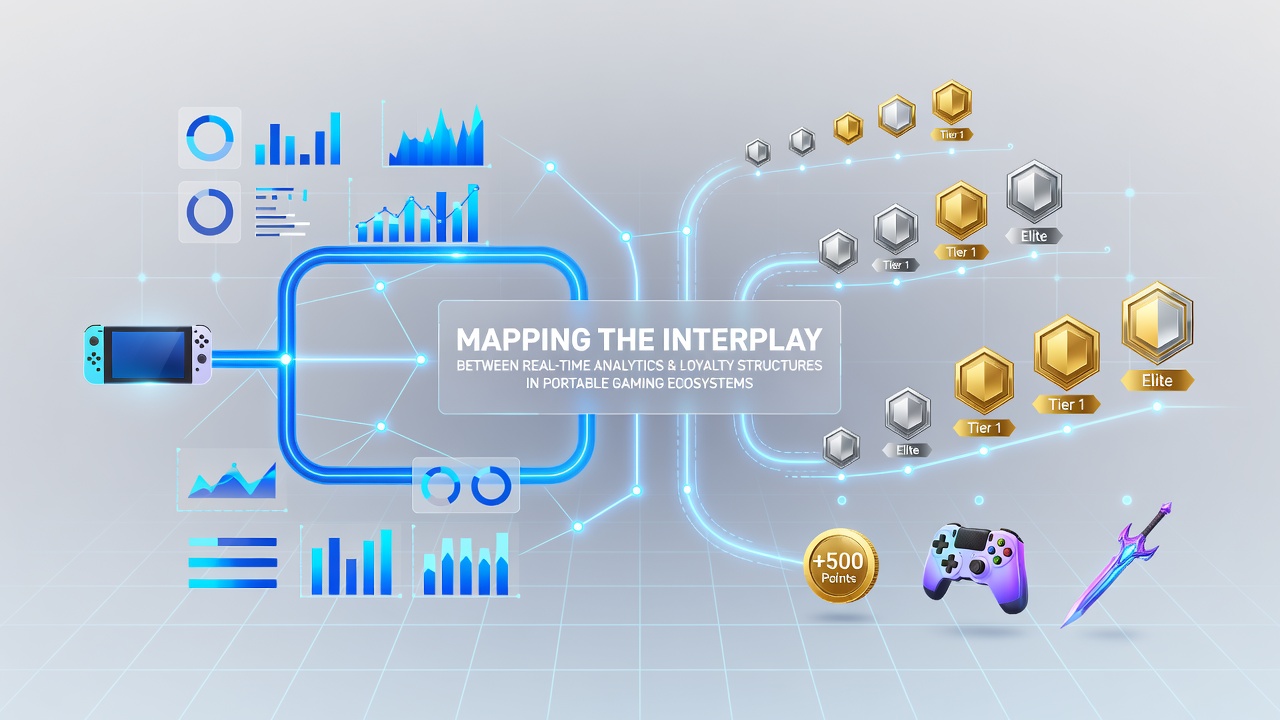
Portable gaming ecosystems have grown into complex networks where player behavior generates continuous streams of data, and real-time analytics now shape how developers construct and adjust loyalty programs across mobile platforms. Companies track session duration, in-game purchases, and social interactions as they occur, then feed those metrics into systems that modify reward structures on the fly. This process creates feedback loops that researchers at institutions such as the University of Southern California have documented in longitudinal studies of free-to-play titles.
Core Components of Real-Time Analytics
Real-time analytics platforms collect telemetry from millions of devices simultaneously, processing variables including device type, connection stability, and progression speed within seconds of each action. Developers integrate these feeds with machine learning models that predict churn risk or spending potential, allowing immediate adjustments to difficulty curves or item availability. Data released in July 2026 by the Entertainment Software Association indicated that 78 percent of top-grossing mobile titles employed at least one live analytics dashboard to monitor these signals during peak hours.
Observers note that latency under 200 milliseconds has become standard for major studios, because delays in data processing reduce the accuracy of personalization engines. Engineers at studios in Asia and North America therefore maintain distributed server clusters that synchronize player profiles across regions, ensuring a user in one timezone receives offers calibrated to their local time-of-day patterns.
Architecture of Loyalty Structures
Loyalty structures in portable games typically combine tiered status levels with dynamic point multipliers and time-limited events. Players accumulate virtual currency or experience through repeated engagement, yet the rate at which they progress often depends on algorithms that weigh recent activity against historical baselines. These systems reward consistent logins while also introducing surprise elements, such as bonus chests triggered after a streak of high engagement detected through analytics.
Case studies from several mid-sized studios reveal that loyalty tiers refresh every 30 days using rolling windows of data rather than fixed calendar months. This approach prevents stagnation and keeps high-value users from plateauing, because the underlying models continuously recalibrate thresholds based on cohort performance. One developer in Canada reported that shifting from static monthly resets to rolling analytics windows increased average session length by 14 percent within the first quarter of implementation.
Interplay Between Analytics and Rewards
The connection between live data streams and loyalty mechanics operates through automated decision trees that evaluate player segments in real time. When analytics detect a drop in daily active users within a specific demographic, the system can automatically surface enhanced rewards to that group before the trend becomes visible in weekly reports. This responsiveness reduces the lag between behavioral signals and intervention, a capability highlighted in a 2025 working paper from the Australian Centre for Gaming Research.
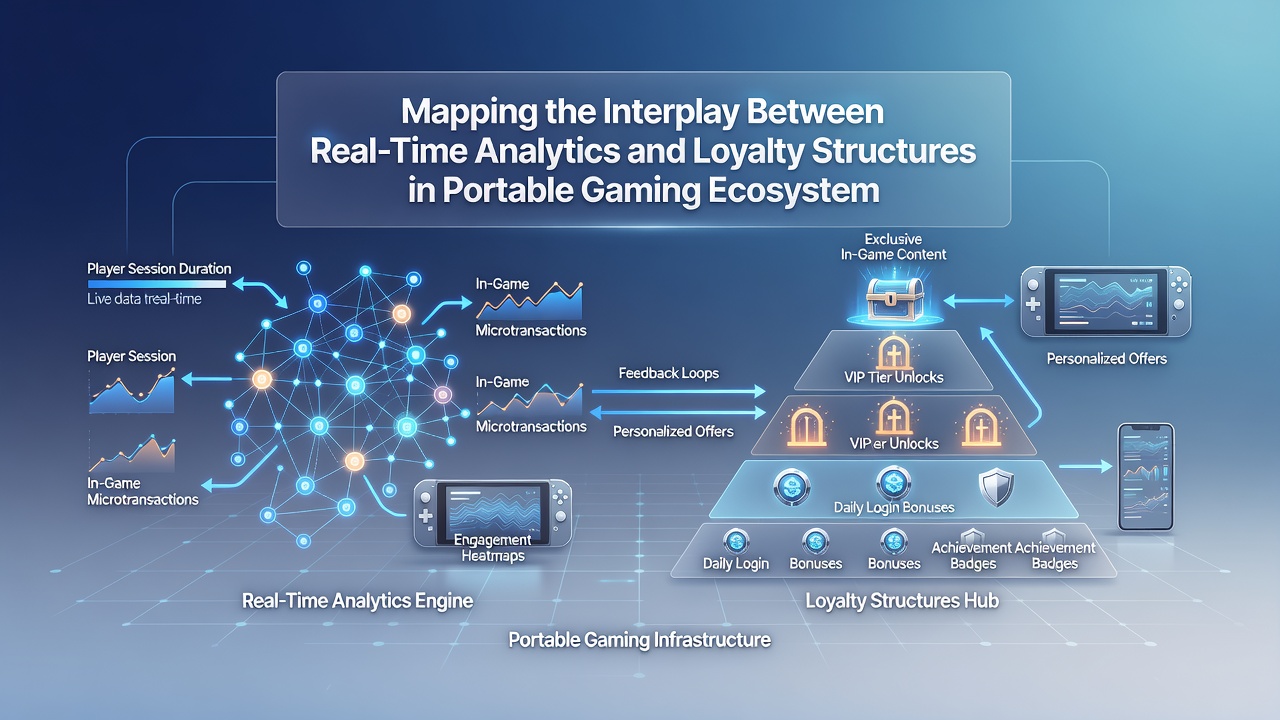
Yet the same speed introduces complexity around fairness and transparency. Developers must balance personalization against perceptions of manipulation, because users who compare notes on forums sometimes notice divergent reward offers. Regulatory bodies in the European Union have begun reviewing how such algorithmic differentiation aligns with consumer protection guidelines, prompting some studios to publish simplified explanations of their reward logic within app settings.
Regional Variations and Data Sources
North American studios tend to emphasize spending-based loyalty tiers that unlock cosmetic items and convenience features, whereas European teams more frequently incorporate social milestones such as guild achievements or community events. These differences reflect both cultural preferences and varying data-protection rules that shape what player information can be processed without explicit consent. A cross-regional comparison published by the Japan External Trade Organization in early 2026 documented how mobile titles released in multiple markets adapt their analytics pipelines to comply with local statutes while preserving core loyalty mechanics.
External research from the Entertainment Software Association continues to track adoption rates of real-time systems across genres, showing puzzle and strategy games leading in loyalty integration compared with action titles. Meanwhile, an independent study from McGill University examined retention curves after loyalty program overhauls and found measurable uplift when analytics updated reward eligibility within the same play session rather than at the next login.
Technical Implementation Challenges
Scaling real-time analytics requires careful management of data pipelines and privacy controls. Engineers partition player data into anonymized aggregates for model training while keeping individual identifiers encrypted until a reward trigger activates. Cloud providers now offer specialized gaming analytics services that handle this partitioning automatically, reducing the engineering burden on smaller studios. Those services also supply compliance tooling that aligns with emerging standards in multiple jurisdictions.
Battery and bandwidth constraints on mobile devices further influence how often telemetry uploads occur. Developers therefore batch non-critical events and prioritize only high-value signals for immediate processing, striking a balance between responsiveness and device performance that players rarely notice but that directly affects loyalty system accuracy.
Conclusion
The mapping of real-time analytics onto loyalty structures in portable gaming continues to evolve as processing power, regulatory frameworks, and player expectations shift. Studios that synchronize these two domains effectively maintain higher engagement metrics, yet they must also address transparency and fairness concerns raised by both users and oversight bodies. Future developments will likely center on more granular consent mechanisms and cross-platform loyalty portability, areas already under active discussion among industry consortia and academic researchers.