Platform Integrations Advancing Mobile Live Gaming Features and Financial Transaction Methods
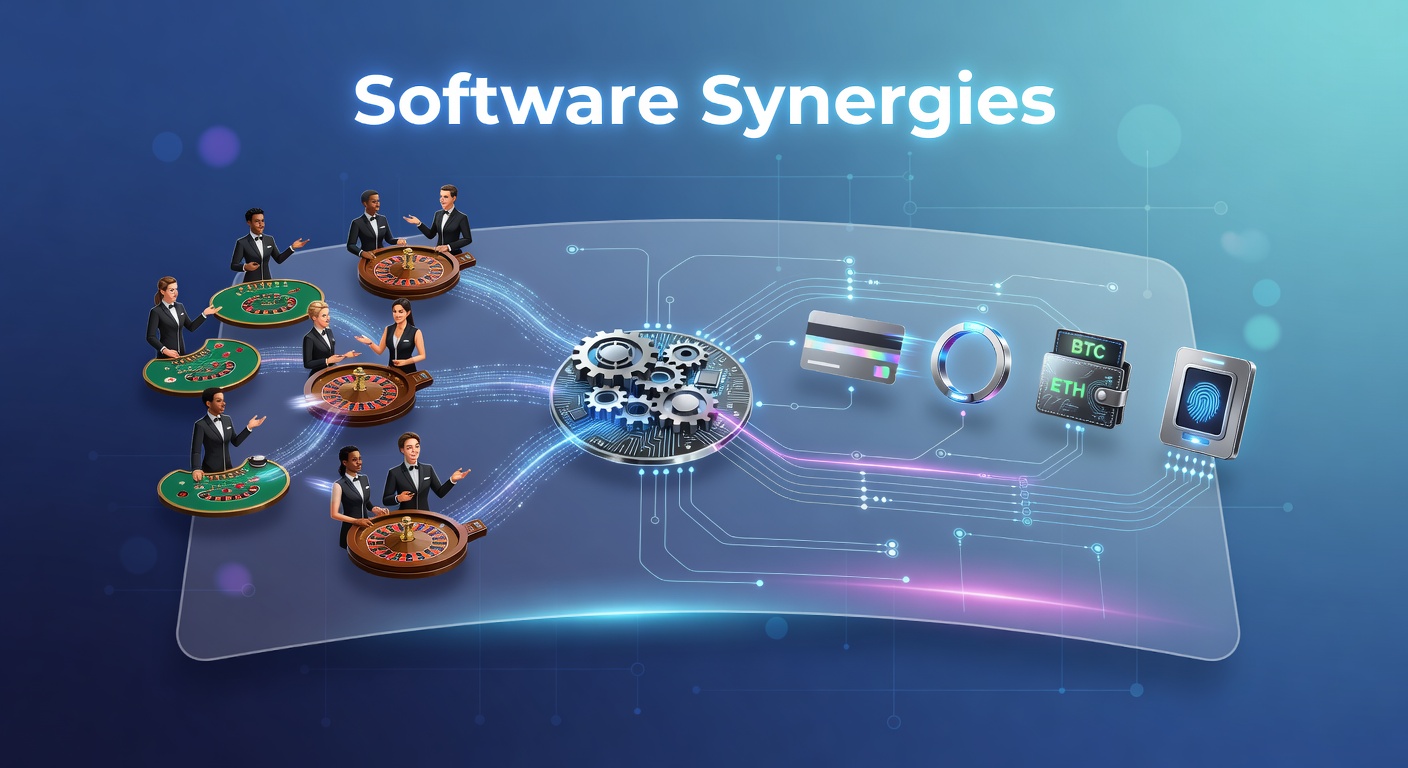
Software providers have developed interconnected systems that combine live dealer streaming, mobile optimization, and backend processing tools, allowing operators to deliver synchronized experiences across devices. These integrations reduce latency during live sessions while supporting features like real-time chat, multi-camera angles, and instant game state updates. Data from industry reports shows mobile live casino participation rising steadily through 2025, driven by these technical alignments rather than isolated advancements.
Core Software Components Enabling Live Mobile Experiences
Developers combine content delivery networks with game engines to handle high-volume concurrent connections on smartphones and tablets. Companies such as Evolution Gaming and Playtech have formed partnerships that merge their respective streaming protocols with mobile frameworks, resulting in smoother transitions between table games and device-specific interfaces. Observers note that such collaborations allow operators to maintain consistent visual quality even when network conditions fluctuate, because shared APIs manage bandwidth allocation dynamically.
Additional layers include artificial intelligence modules that adjust camera feeds and betting interfaces based on user behavior patterns detected during sessions. These modules connect directly to player account systems, enabling seamless resumption of games across multiple devices without manual intervention. Research indicates that platforms utilizing these combined tools report higher session durations compared to those relying on standalone applications.
Payment System Alignments with Gaming Platforms
Transaction processors now embed application programming interfaces directly into casino management software, creating end-to-end flows from deposit to game credit and withdrawal processing. Methods like digital wallets and bank transfer services integrate with live game servers so that balance updates occur within milliseconds of confirmation. This setup supports features such as in-play top-ups during roulette or blackjack rounds without interrupting the dealer interaction.
Payment providers including those focused on instant verification have aligned their security protocols with gaming compliance databases, allowing operators to verify user details while maintaining session continuity. Figures from North American regulatory filings reveal that integrated payment options contribute to reduced transaction failure rates in mobile environments. One notable development involves token-based systems that bridge traditional banking rails with emerging digital asset networks, although adoption varies by jurisdiction.
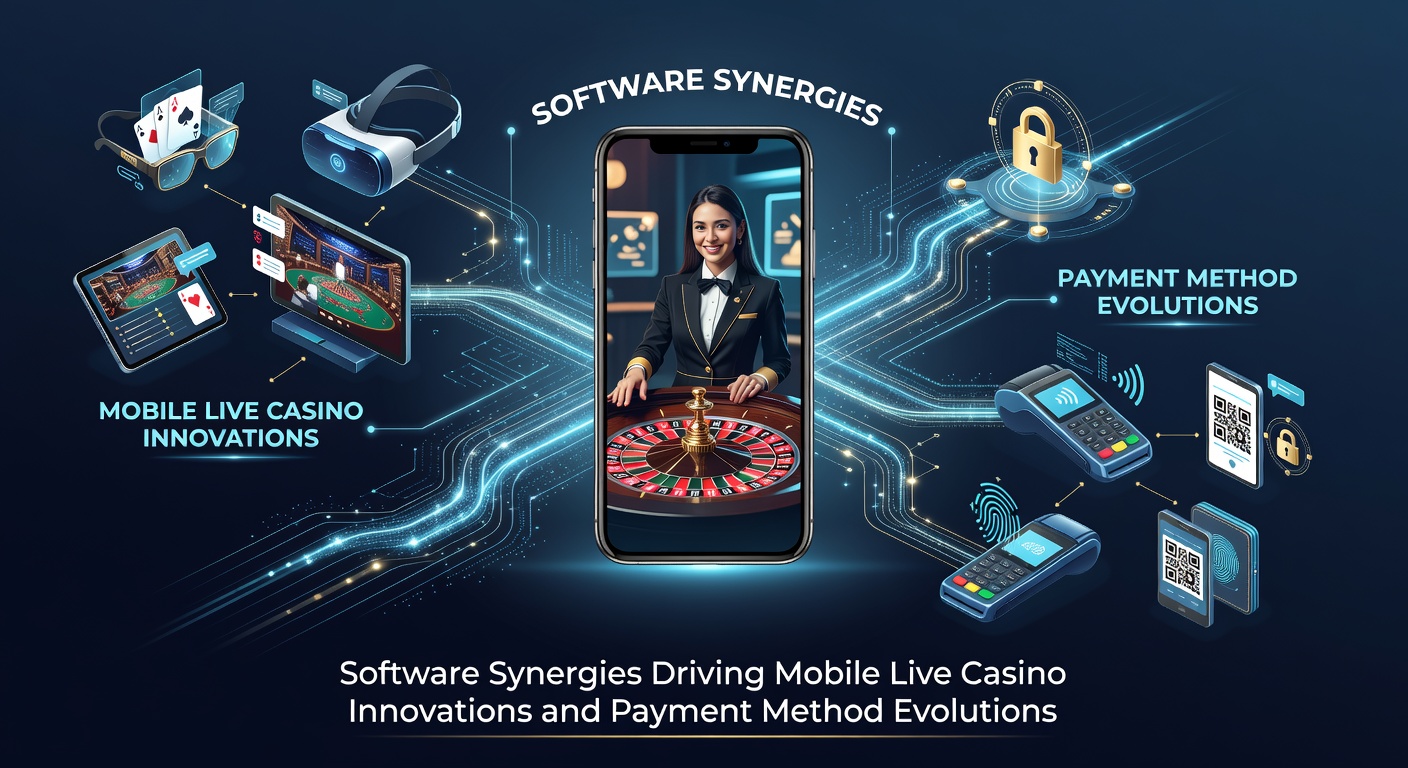
Regional Developments and June 2026 Context
European and Asian markets have seen operators deploy unified platforms that comply with varying data protection standards while supporting localized payment preferences. In June 2026 several jurisdictions outside the UK implemented updated technical standards requiring tighter encryption between gaming software and financial gateways, prompting further integration work by major providers. Australian regulatory bodies documented increased use of combined systems in their most recent oversight summaries, highlighting reduced processing times for cross-border transactions.
Those tracking industry metrics point to collaborations between software firms and payment specialists as a factor behind expanded mobile live offerings in Canada and parts of Latin America. These partnerships often incorporate machine learning for fraud detection that operates across both game and transaction layers simultaneously.
Technical Challenges and Ongoing Solutions
Latency remains a concern when multiple software elements operate in tandem, yet providers address it through edge computing nodes placed near major user clusters. Security audits conducted by independent firms show that unified platforms can maintain encryption standards across live video streams and payment authorizations without introducing delays that affect gameplay. Experts have observed that testing environments now simulate real-world mobile conditions to validate these synergies before full deployment.
Case examples include operators who adopted modular architectures allowing quick swaps of payment gateways or game engines as regulations shift. Such flexibility stems from standardized data exchange formats developed through industry consortia rather than proprietary lock-ins.
Conclusion
Integrated software ecosystems continue to shape how mobile live casino features and payment processes interact at a technical level. Providers maintain focus on compatibility layers that support evolving device capabilities and transaction security requirements across different markets. Continued alignment between gaming engines, streaming services, and financial systems provides the foundation for operational consistency observed in current deployments.