Layered Software Architectures Coordinating Random Generation and Real-Time Transactions in Mobile Table Interfaces
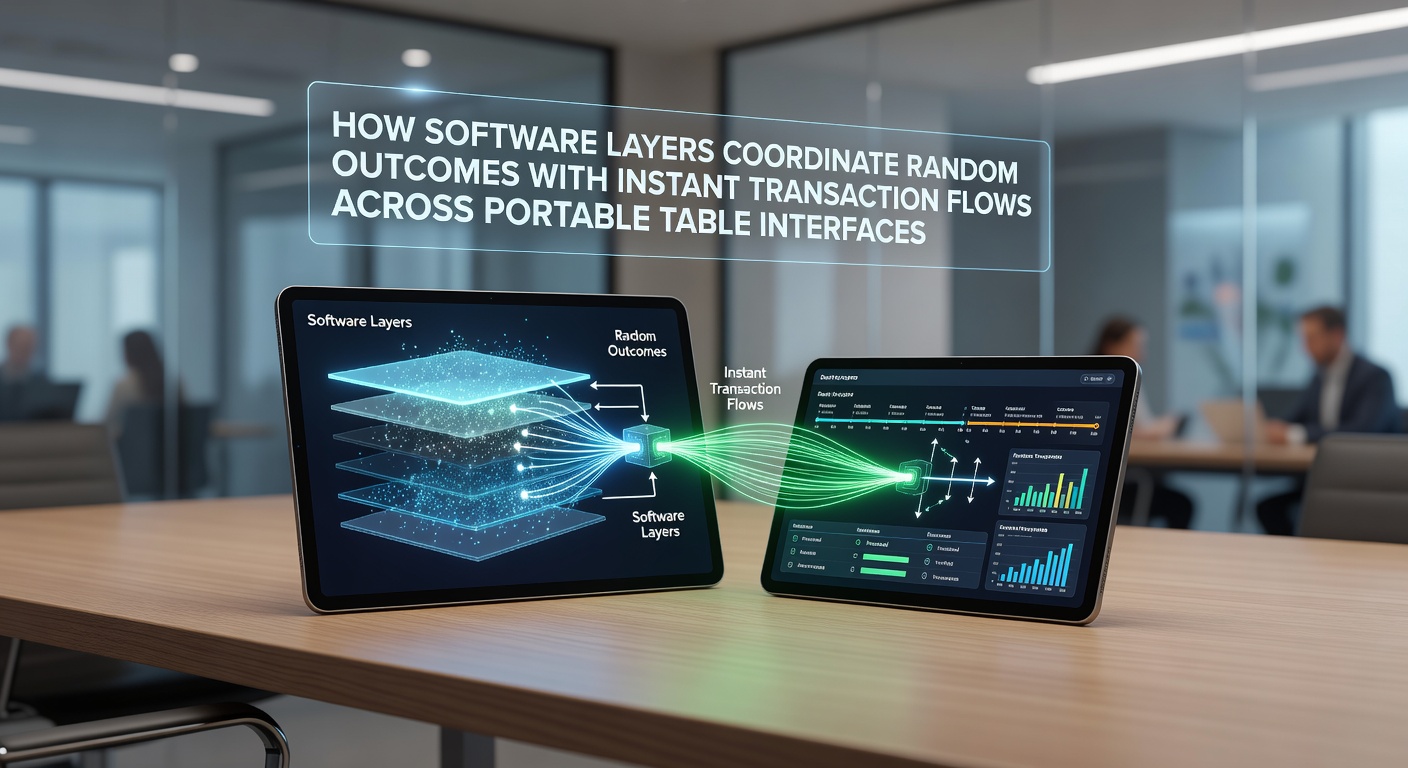
Software systems in mobile table gaming environments operate through multiple coordinated layers that manage random outcome generation alongside instant transaction processing, and these layers interact continuously across portable interfaces to maintain session integrity. Developers structure the architecture with distinct modules for user input handling, random number generation, game state management, and payment authorization, each communicating through standardized APIs that reduce latency while preserving data security. Portable devices receive inputs from touch interfaces, and these signals trigger sequences where the random generation layer produces outcomes that feed directly into transaction verification routines.
Core Components of the Integration Stack
The presentation layer renders table interfaces on smartphones and tablets, while the application layer processes player actions such as bet placement or card draws, and these actions pass to the RNG module which applies certified algorithms to determine results before any funds move. Transaction flows occur through a separate but linked payment orchestration layer that authorizes deductions and credits within milliseconds, and synchronization between RNG outputs and payment ledgers prevents discrepancies that could arise from network delays. Observers note that middleware components often bridge these layers by maintaining session tokens that carry both outcome data and financial instructions across distributed servers.
Research from institutions like the National Institute of Standards and Technology has established testing protocols for RNG modules that gaming platforms must meet, and these protocols require statistical validation of randomness independent of transaction timing. When a player initiates a round on a portable interface, the system queues the RNG call first, generates the outcome hash, then routes confirmation to the transaction processor, and this ordering ensures outcomes remain tamper-proof even during high-volume periods. Data from industry reports indicate that such sequencing supports thousands of concurrent sessions without compromising either randomness quality or payment speed.
Transaction Coordination Mechanisms
Instant transaction flows rely on event-driven architectures where database triggers activate upon RNG result finalization, and these triggers interface with external payment gateways through encrypted channels that comply with regional financial regulations. Software engineers implement queuing systems that buffer requests during peak loads, yet the design keeps processing times under regulatory thresholds for real-time settlement. Those who have examined platform logs report that reconciliation routines run in parallel to verify that every generated outcome corresponds exactly to one authorized transaction record.

Portable table interfaces incorporate local caching for interface responsiveness, yet critical RNG and transaction operations always route through remote secure servers to maintain auditability. In May 2026 several platforms updated their orchestration layers to leverage enhanced 5G edge computing nodes, which shortened round-trip times between device input and server-side result delivery while preserving the separation between random generation and financial settlement processes. This evolution built on earlier frameworks that already isolated RNG hardware from payment databases to satisfy independent testing requirements.
Security and Compliance Across Layers
Encryption protocols wrap data packets traveling between the RNG service, game engine, and payment gateway, and tokenization techniques replace sensitive account details during mobile sessions. Regulatory bodies in multiple jurisdictions, including those referenced in reports from the Nevada Gaming Control Board, require separation of duties where no single layer can alter both outcomes and balances without multi-party authorization. Software updates propagate through staged rollouts that test layer interactions in controlled environments before wider deployment, and monitoring dashboards track metrics such as outcome distribution uniformity alongside transaction success rates.
Case examples from integrated platforms show that when a network interruption occurs, the system rolls back incomplete transactions while preserving the RNG sequence for later resumption, and this approach maintains fairness across interrupted portable sessions. Developers achieve this through state machine designs that record each layer's status at granular intervals, allowing recovery scripts to resume without duplicating or skipping outcomes.
Conclusion
Software layers in these environments form an interconnected system where random outcome generation remains synchronized with instant transaction flows through deliberate architectural choices that prioritize both fairness and operational efficiency on portable interfaces. Continued refinements in middleware and edge processing support the demands of expanding mobile table gaming networks while adhering to established technical standards.