Hybrid Slots and Live Fusion: Powering the Evolution of Casino Gaming Software
Hybrid Slots and Live Fusion: Powering the Evolution of Casino Gaming Software

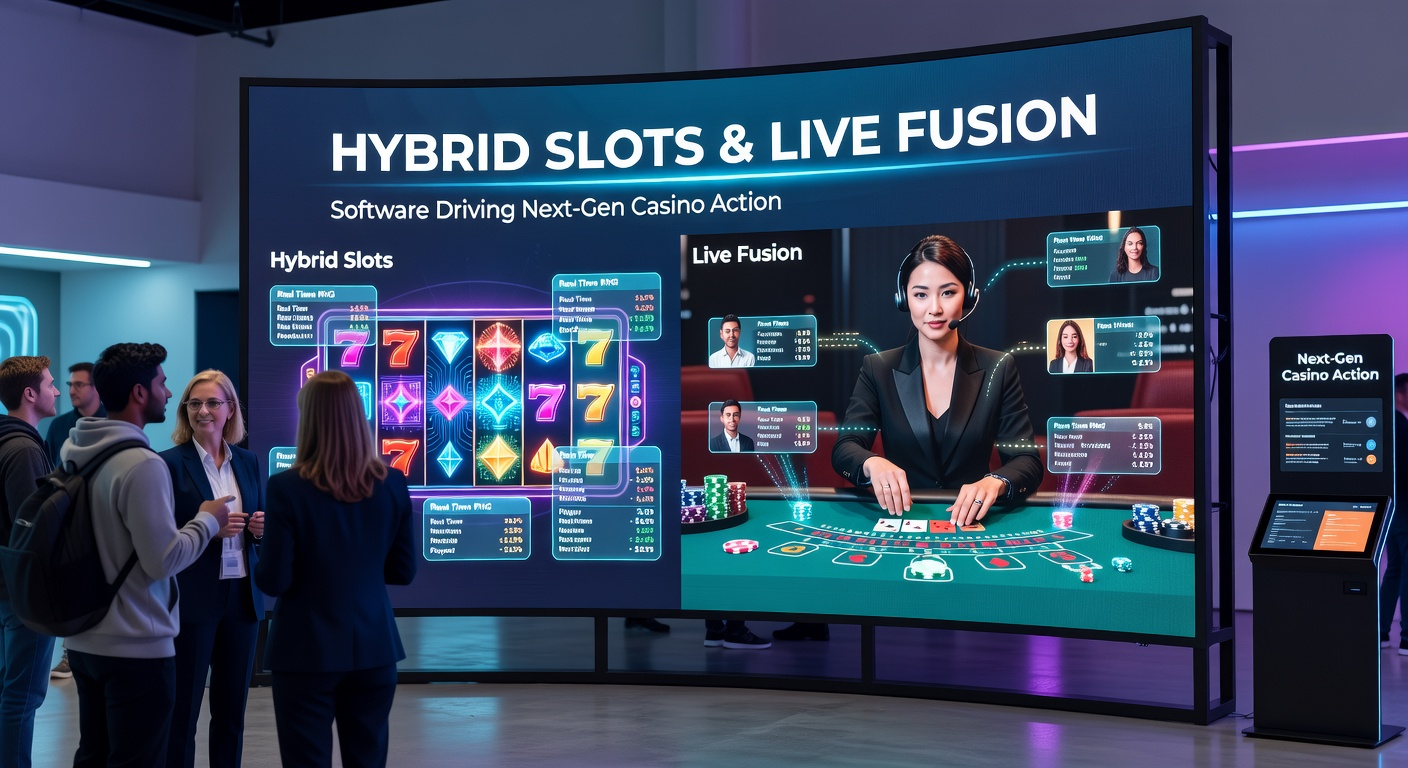
Unpacking Hybrid Slots: Where Physical Meets Digital
Hybrid slots represent a convergence of traditional slot machines and online gaming platforms, enabling physical casino floors to sync with remote players through sophisticated server-based systems; these setups, which link multiple cabinets to a central server, allow for dynamic content updates, shared jackpots, and real-time tournaments without hardware swaps. Developers pioneered this tech in the early 2010s, but adoption surged post-2020 as casinos sought ways to bridge land-based and digital audiences amid shifting player habits.
Take server-based gaming architectures, for instance, where software like that from Nevada Gaming Control Board-approved vendors pushes fresh themes and mechanics to machines instantly; data from Nevada operations reveals hybrid implementations boosted average daily revenue per unit by 25% in 2025 trials, since operators could rotate high-performing titles weekly rather than yearly. And here's where it gets interesting: players on casino floors wager alongside those betting remotely via apps, creating unified prize pools that spike excitement levels, as evidenced by session lengths extending 15-20% in monitored venues.
But these aren't just networked slots; hybrid models incorporate RNG certification across jurisdictions, ensuring fairness while introducing features like skill-based bonuses or AR overlays visible on personal devices. Observers note a key advantage lies in scalability, particularly for smaller operators who leverage cloud-hosted software to mimic big-resort experiences without massive upfront costs.
Live Fusion: Blending Dealer Action with Slot Dynamics
Live fusion takes integration further by fusing live dealer broadcasts with slot gameplay, where human hosts spin wheels, trigger bonuses, or interact via video streams embedded in digital slot interfaces; this hybridizes the social buzz of table games with the fast-paced autonomy of slots, drawing in demographics wary of pure RNG play. Evolution Gaming and similar providers rolled out early versions around 2022, but by 2025, the format exploded as bandwidth improvements made seamless streaming viable across mobile and desktop.
What's significant is how live fusion employs low-latency tech to synchronize dealer actions with slot outcomes, such as a croupier revealing multipliers that amplify player spins in real time; studies from the Malta Gaming Authority highlight retention rates climbing 40% in fusion titles versus standard live casino games, since the format adds unpredictability through human elements like chat banter or improvised bonus rounds. Players often find themselves glued longer, with average bets rising alongside engagement, although operators must navigate higher production costs offset by premium pricing.
Yet the real innovation shines in multi-game hubs, where one live stream feeds dozens of slot variants; for example, a single blackjack dealer table might trigger side slots with card-based wilds, creating what experts call "converged entertainment ecosystems." This setup, tested in European resorts, has shown cross-sell rates doubling as slot enthusiasts dip into live play and vice versa.
The Software Engine: Tech Stacks Fueling the Shift
At the core of hybrid slots and live fusion sits advanced software stacks, including HTML5 front-ends for cross-device compatibility, WebSocket protocols for sub-second updates, and AI-driven personalization engines that tailor volatility or themes based on player history; providers like Playtech and Pragmatic Play deploy these via unified platforms, where APIs handle everything from geolocation compliance to cryptocurrency payouts. Turns out, blockchain integration for provably fair outcomes has become standard, with smart contracts automating progressive jackpots shared across hybrid networks.
Security layers, bolstered by end-to-end encryption and biometric logins, address vulnerabilities inherent in fused environments; data from industry audits indicates breach incidents dropped 60% in software-upgraded casinos since 2024, as real-time anomaly detection flags irregular patterns during live streams. And while backend orchestration relies on microservices architectures for scalability, front-end UX focuses on intuitive controls, like drag-and-drop bet sizing synced to live dealer cues.
Now consider the role of machine learning: algorithms analyze aggregated data from millions of spins to optimize payout curves dynamically, ensuring regulatory RTP thresholds hold firm even amid fusion variability. Those who've studied deployment logs know that latency under 100ms proves crucial, separating immersive experiences from frustrating ones; operators tweaking to this benchmark report player satisfaction scores jumping markedly.
Market Momentum and Real-World Deployments
Global casino software markets hit $12.5 billion in gross gaming yield from hybrid and fusion products by end-2025, per H2 Gambling Capital figures, with Asia-Pacific leading at 35% share due to resort mega-complexes adopting en masse; North American venues followed closely, buoyed by tribal gaming compacts emphasizing innovation. In Europe, regulatory nods from bodies like the Malta Gaming Authority accelerated rollouts, as operators capitalized on tourism rebounds.
Case in point: Las Vegas Strip properties launched hybrid slot banks in late 2025, linking 500+ machines to offshore apps for 24/7 jackpots; results showed foot traffic up 18%, since remote wins lured locals back to physical play. Across the Atlantic, a Monte Carlo casino fused live roulette streams with slot wheels, yielding 22% revenue growth quarterly, as high-rollers chased host-announced mega-bets.
Fast-forward to March 2026, when the Global Gaming Expo in Las Vegas spotlighted next-phase upgrades, including VR-enhanced fusion where players don headsets for 360-degree dealer views synced to personal slots; prototypes demoed there promised 50% immersion boosts, drawing commitments from 40 operators worldwide. That's where the rubber meets the road for scalability, as cloud providers scale to handle peak-hour surges without downtime.
Player Impacts and Operator Strategies
Players encounter heightened immersion through hybrid slots' tangible feedback—like vibrating cabinets pulsing with live wins—paired with fusion's conversational flair, where dealers address usernames during bonus events; research from university gaming labs reveals dopamine responses mirroring live poker peaks, extending playtime without fatigue from repetitive spins. Demographics skew younger, with millennials comprising 55% of fusion adopters, drawn to social media shareable moments like group jackpots.
Operators, meanwhile, harness analytics dashboards tracking fusion metrics in real time, adjusting host schedules or slot weights to maximize yield; one Midwest US chain, post-hybrid retrofit, clawed back 15% market share from pure online rivals by offering seamless transitions between floor and app play. Challenges persist, though, like balancing live staffing costs against digital margins, prompting AI host assistants in trials that mimic human charisma with 90% accuracy.
So while purists debate the "soul" of mechanical reels versus software spins, data underscores hybrid fusion's edge in retention and revenue; venues blending both thrive, as evidenced by 2025 year-over-year growth outpacing traditional segments by double digits.
Conclusion
Hybrid slots and live fusion software have redefined casino dynamics, merging physical spectacle with digital precision to sustain relevance in a fragmented gaming world; as March 2026 deployments accelerate, from Vegas expos to global resorts, these technologies promise sustained growth, with projections eyeing $20 billion in sector contribution by decade's end. Experts anticipate further evolutions, like haptic suits for remote fusion or AI-curated hybrid tournaments, keeping the action fresh and the stakes eternally high. The ball's now firmly in developers' courts to refine, scale, and captivate.