Gaming Provider Alliances Redefine Multi-Platform Bonus Designs
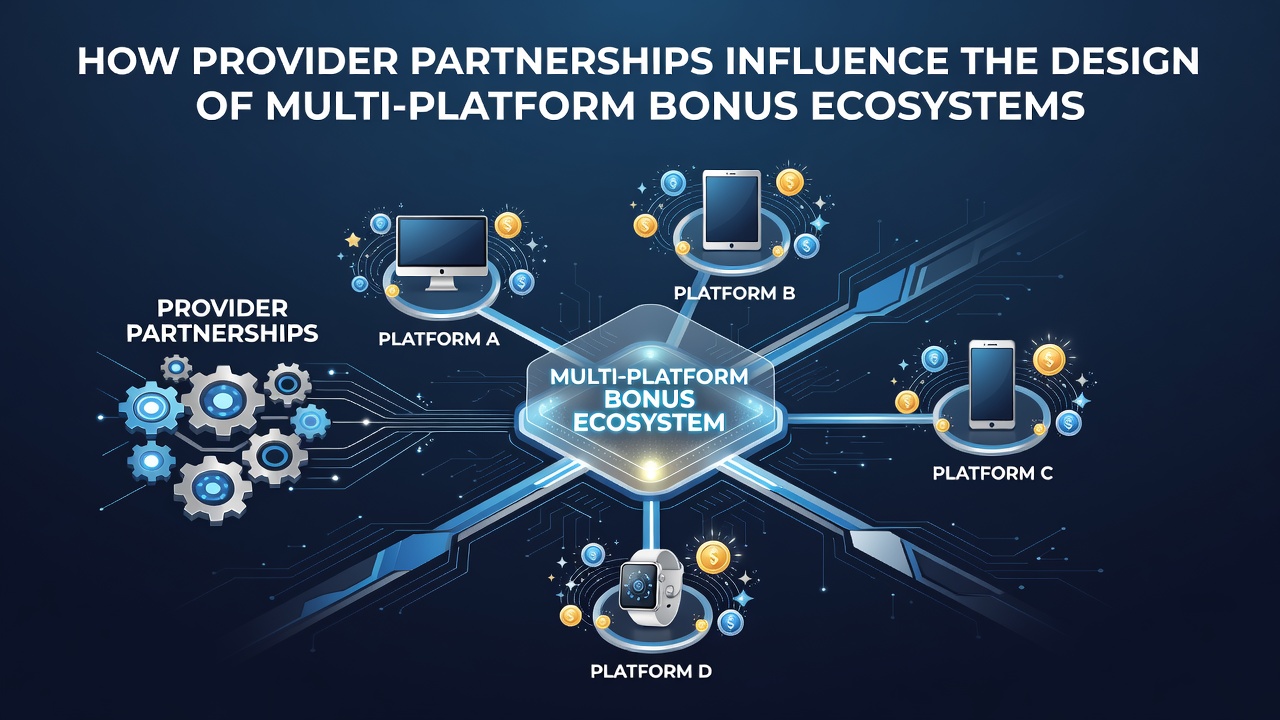
Provider partnerships have become central to how bonus ecosystems operate across desktop, mobile, and live casino environments, with companies pooling technical resources and data frameworks to create unified reward systems. These collaborations allow operators to deliver promotions that function seamlessly whether players switch between devices or game types, and the approach has gained momentum as platforms expand their reach into new markets.
Shared application programming interfaces form the backbone of these systems, enabling different providers to synchronize bonus triggers, wagering requirements, and payout structures without duplicating development work. When two or more suppliers align their backend systems, a single deposit can activate layered rewards that apply across multiple game libraries, which reduces fragmentation for players and streamlines compliance checks for operators.
Technical Integration Drives Cross-Platform Compatibility
Developers exchange real-time data feeds that track player activity, allowing bonuses earned on one platform to carry over to another with minimal delay. This integration relies on standardized protocols that major providers have adopted since the mid-2020s, and it supports features such as progressive jackpot contributions that accumulate regardless of which studio supplies the underlying game. Observers note that these standards emerged after several large suppliers formed joint working groups to address compatibility issues that previously limited bonus portability.
Case studies from North American markets illustrate the results. One collaboration between a slot specialist and a live dealer provider produced a bonus ladder that awards free spins on mobile slots while simultaneously unlocking live table credits, with the entire sequence managed through a single player account. The arrangement cut development costs by an estimated 30 percent compared with building separate systems, according to industry association data.
Data Sharing Influences Bonus Structure and Targeting
Partnerships also facilitate deeper player segmentation through pooled behavioral analytics. When providers share anonymized datasets, they can design bonuses that respond to specific patterns, such as session length or game preference, across an entire network of operators. This approach supports personalized offers that feel consistent even when the underlying games come from different studios.
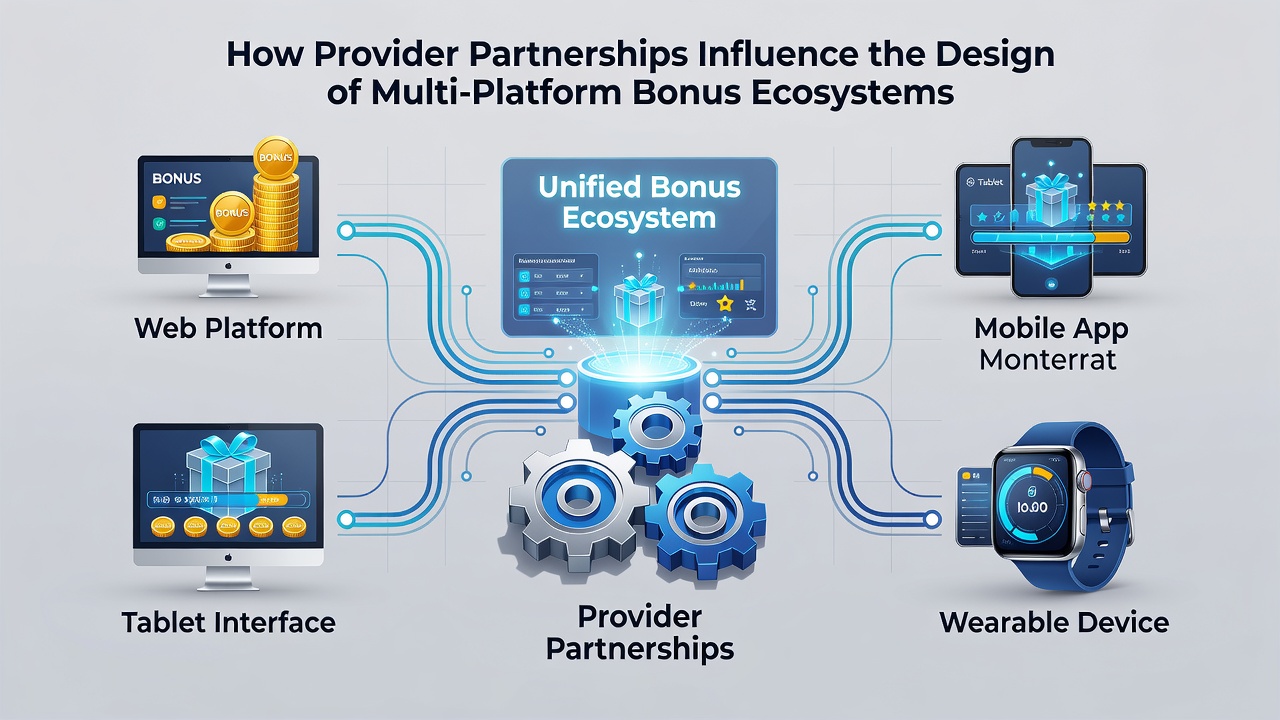
Research from the American Gaming Association shows that integrated bonus platforms experienced higher retention rates in regulated markets during the first half of 2026. The figures reveal that players who received cross-platform rewards completed 22 percent more sessions on average than those limited to single-provider promotions. Such outcomes stem from the ability to maintain engagement through varied game types without resetting progress.
Regulatory Alignment Shapes Partnership Models
Regulatory bodies in multiple jurisdictions have begun requiring clearer disclosure of how shared bonus systems calculate wagering contributions. In Canada, iGaming Ontario updated its technical standards in early 2026 to address transparency in multi-provider environments, which prompted several alliances to publish unified contribution tables. These tables list exactly how much each game type counts toward clearing a bonus, reducing disputes and supporting smoother audits.
European operators have followed similar paths, with partnerships incorporating audit trails that regulators can review across borders. The July 2026 release of updated compliance guidelines from several EU member states further encouraged providers to standardize reporting formats, which has accelerated the adoption of joint platforms that already meet multiple sets of rules.
Future Developments in Shared Bonus Infrastructure
Industry analysts expect continued expansion of these alliances as new device categories, including wearables and connected televisions, enter the gaming space. Providers that already maintain shared bonus engines can add support for emerging platforms without rebuilding core logic, which shortens time-to-market for new features. Data from academic studies on digital entertainment economies indicates that such modular designs also lower barriers for smaller studios seeking to participate in larger ecosystems.
Conclusion
Provider partnerships continue to reshape how multi-platform bonus ecosystems function by aligning technical standards, sharing analytics, and meeting regulatory demands across regions. The resulting systems deliver consistent player experiences while controlling development expenses, and further refinements are likely as new hardware and compliance requirements emerge in the second half of 2026.