E-Wallets vs. Cards and Bank Transfers: Decoding Casino Payment Speeds, Security, and Global Shifts
E-Wallets vs. Cards and Bank Transfers: Decoding Casino Payment Speeds, Security, and Global Shifts
The Rise of E-Wallets in Digital Transactions
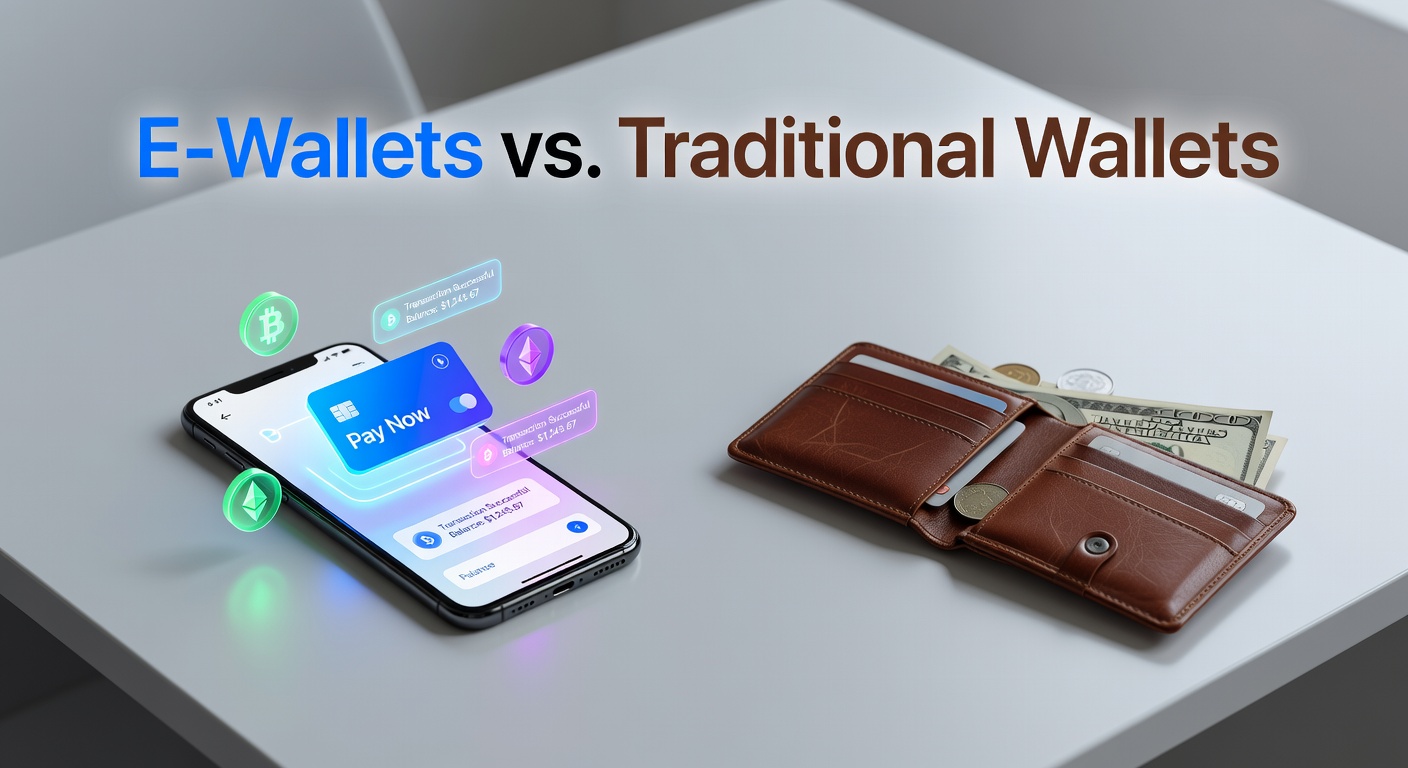
E-wallets such as PayPal, Skrill, Neteller, and ecoPayz have surged in popularity for online casino deposits and withdrawals, handling billions in transactions annually because they bridge the gap between traditional banking and instant digital access. Data from industry analysts reveals that e-wallets processed over 40% of online gaming payments across Europe and North America in 2025, a figure that climbed steadily from 25% just three years prior; this shift stems from their ability to verify funds quickly without direct bank involvement, allowing players to fund accounts in seconds rather than days. Observers note how platforms like these store payment details securely on user devices or cloud servers, enabling one-tap confirmations that bypass lengthy authentication steps common with older methods.
Take Skrill, for instance, which supports cryptocurrency conversions alongside fiat currencies, or PayPal's buyer protection that refunds disputed casino transactions under specific conditions; these features appeal to players wary of fraud, especially since cyber threats targeted gaming sites 30% more in 2025 than in previous years, according to cybersecurity reports. And while setup requires linking a bank or card initially, subsequent uses demand only a login and PIN, streamlining what once involved faxed documents or phone verifications.
Debit and Credit Cards: The Established Players
Credit and debit cards from Visa, Mastercard, and American Express remain staples in casino lobbies worldwide, with global transaction volumes exceeding $10 trillion yearly across all sectors, though gaming represents a fraction of that due to regulatory scrutiny. Figures indicate cards account for 35% of casino deposits in regulated markets like those overseen by the American Gaming Association, where chargeback rates hover around 1-2% because players can dispute unauthorized charges directly with issuers. But here's the thing: processing times stretch from instant deposits to 3-5 business days for withdrawals, as banks layer on compliance checks mandated by anti-money laundering laws; this delay frustrates users chasing quick wins, particularly after late-night spins.
Security layers like 3D Secure protocols add friction, requiring SMS codes or app pushes that succeed 98% of the time but still cause abandoned carts in 5% of attempts, per e-commerce studies. Yet cards shine in universality, accepted at nearly every licensed casino since operators integrate them via gateways like Worldpay or Adyen, ensuring broad compatibility even in emerging markets.
Bank Transfers: Reliable but Slow
Direct bank transfers, whether via ACH in the US, SEPA in Europe, or similar systems elsewhere, offer unmatched limits for high-rollers, capping at £100,000 or more per transaction in some jurisdictions; they dominate VIP withdrawals, comprising 20% of large payouts according to operator disclosures. Transfers confirm via SWIFT codes or IBANs, taking 1-5 days domestically and up to a week internationally because intermediary banks validate each hop meticulously to prevent illicit flows.
What's interesting is how costs pile up here: fees range from £5-£25 per transfer, while e-wallets often waive them for premium users, making bulk moves less appealing for casual play. People who've analyzed casino forums spot patterns where players ditch transfers after first experiencing the wait, opting instead for hybrid approaches that combine card deposits with e-wallet cashouts.
Speed Breakdown: Instant vs. Delayed Access
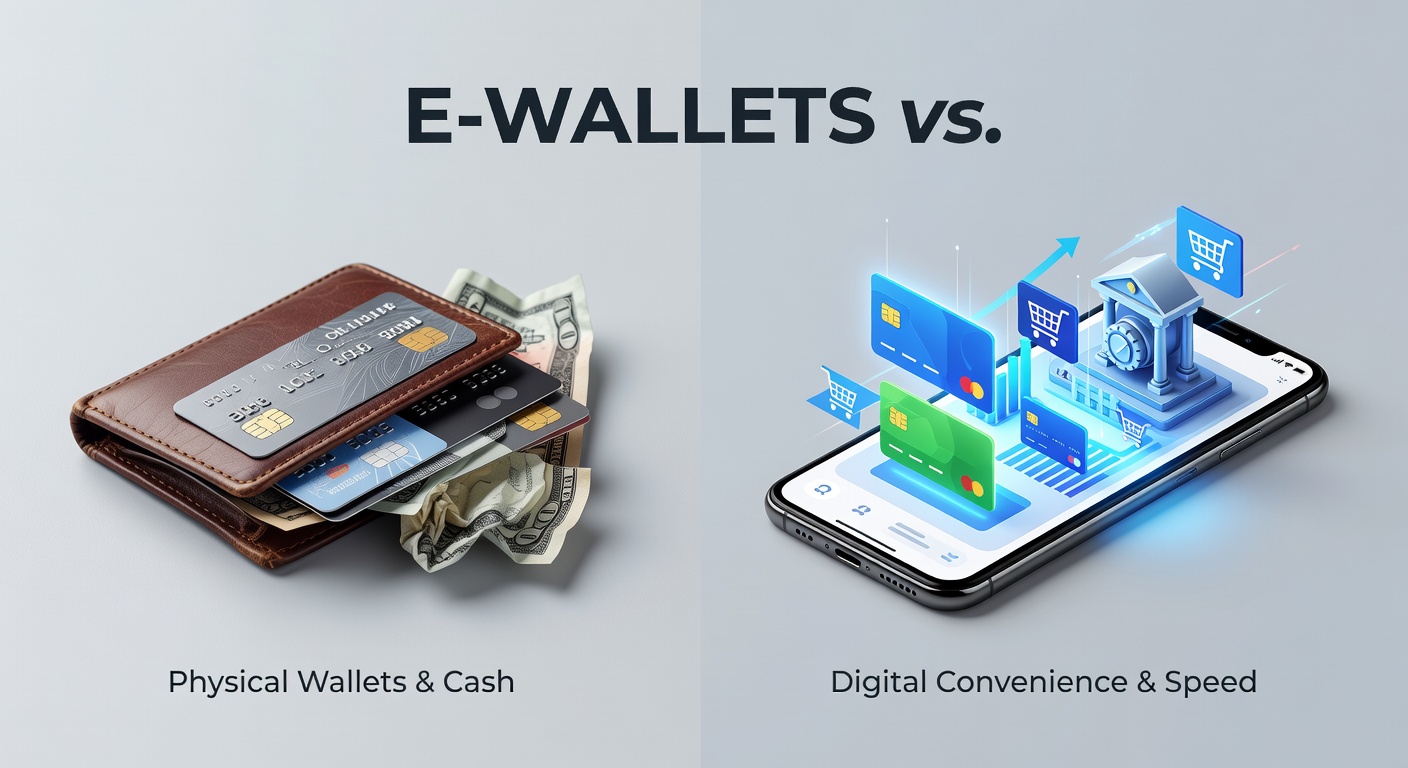
When it comes to deposits, e-wallets lead decisively with near-instant crediting—under 30 seconds in 95% of cases tracked by payment processors—while cards match that speed but withdrawals lag at 24-72 hours versus e-wallets' same-day options; bank transfers trail far behind, often 2-7 days outbound. Research from the European Gaming and Betting Association highlights how this disparity boosts player retention, as e-wallet users report 15% higher session loyalty after fast cashouts during peak hours.
A case study from a major Nordic operator showed e-wallet withdrawals peaking at 98% completion within hours in March 2026, coinciding with new mobile app integrations that bypassed desktop delays; cards hovered at 85%, hampered by weekend bank closures, whereas transfers barely hit 40% same-week fulfillment. So players chasing tournament prizes or progressive jackpots gravitate toward e-wallets, where funds hit accounts before volatility shifts.
Security and Fraud Protection Layers
E-wallets encrypt data end-to-end with two-factor authentication standard across providers, reducing breach risks to under 0.5% annually, data from global fintech audits confirms; cards counter with tokenization, swapping real numbers for virtual ones per transaction, yet phishing attacks snag 2% more card details yearly because emails mimic bank alerts convincingly. Bank transfers, reliant on verified account matches, face fewer hacks but suffer from reversal scams where fraudsters exploit recall windows up to 120 days.
Experts who've dissected 2025 incidents observe e-wallets' edge in segmentation—they isolate gaming funds from main accounts—while cards expose full credit lines if compromised. That's where the rubber meets the road for privacy-conscious users, as e-wallet statements show innocuous merchant codes like "digital services" instead of "casino XYZ."
Fees, Limits, and Hidden Costs
- E-wallets: Deposits free at most casinos, withdrawals 1-2% or flat £1-£3; daily limits £5,000-£10,000.
- Cards: Deposits free, cashouts reversed as "refunds" incur 1.5-3% issuer fees; limits tied to credit approval, often £50,000 monthly.
- Bank transfers: Incoming free, outgoing £10-£30; unlimited for verified accounts but slow verification.
These structures favor e-wallets for mid-stakes play, where cumulative fees erode small wins on cards or transfers; one operator's audit found players saved 12% on average using Skrill over Visa for £500 weekly cycles.
Global Adoption Patterns and Regulatory Nuances
In Australia, overseen by state bodies, e-wallets like POLi blend with local transfers for 50% market share, per industry trackers; Canada's provinces favor Interac e-Transfers mirroring e-wallet speeds, capturing 30% despite card dominance. Asia sees Neteller thrive amid crypto bans, processing 25% of regional casino flows because it skirts direct bank links effectively.
Turns out March 2026 marked a pivot in the EU, where PSD3 rules mandated faster settlements, propelling e-wallets to 55% adoption as banks adapted sluggishly; US states like New Jersey reported similar jumps post-2025 fintech laws, with operators bundling e-wallet bonuses to lure switchers. Observers track how this evens the field, although rural areas cling to cards for ATM rebates.
Future Outlook: Hybrids and Innovations
Blockchain-linked e-wallets promise sub-second cross-border payouts by 2027, building on pilots like Trustly's instant bank ties; cards evolve with contactless biometrics, while transfers integrate open banking APIs for real-time rails. Data projects e-wallets hitting 60% casino share globally by 2028, driven by Gen Z preferences for app-first payments that don't require desktop logins.
One study revealed hybrid models—e-wallet deposit, crypto withdrawal—gaining 20% traction in 2026 trials, blending speed with anonymity where regs allow. It's noteworthy that operators now prioritize e-wallet gateways in software bids, signaling the tide turning decisively.
Conclusion
E-wallets outperform cards and bank transfers in speed and convenience for most casino scenarios, backed by adoption stats and transaction data that underscore their efficiency; yet each method suits specific needs, from high-limit transfers to ubiquitous card access. Players benefit most by matching tools to playstyles—quick spins via e-wallets, secure bulk via banks—ensuring seamless experiences as payments evolve rapidly into 2026 and beyond. The landscape keeps shifting, but facts show e-wallets leading the charge toward frictionless gaming finance.