Connecting Spins and Streams: Technical Approaches to Hybrid Slot-Live Dealer Platforms
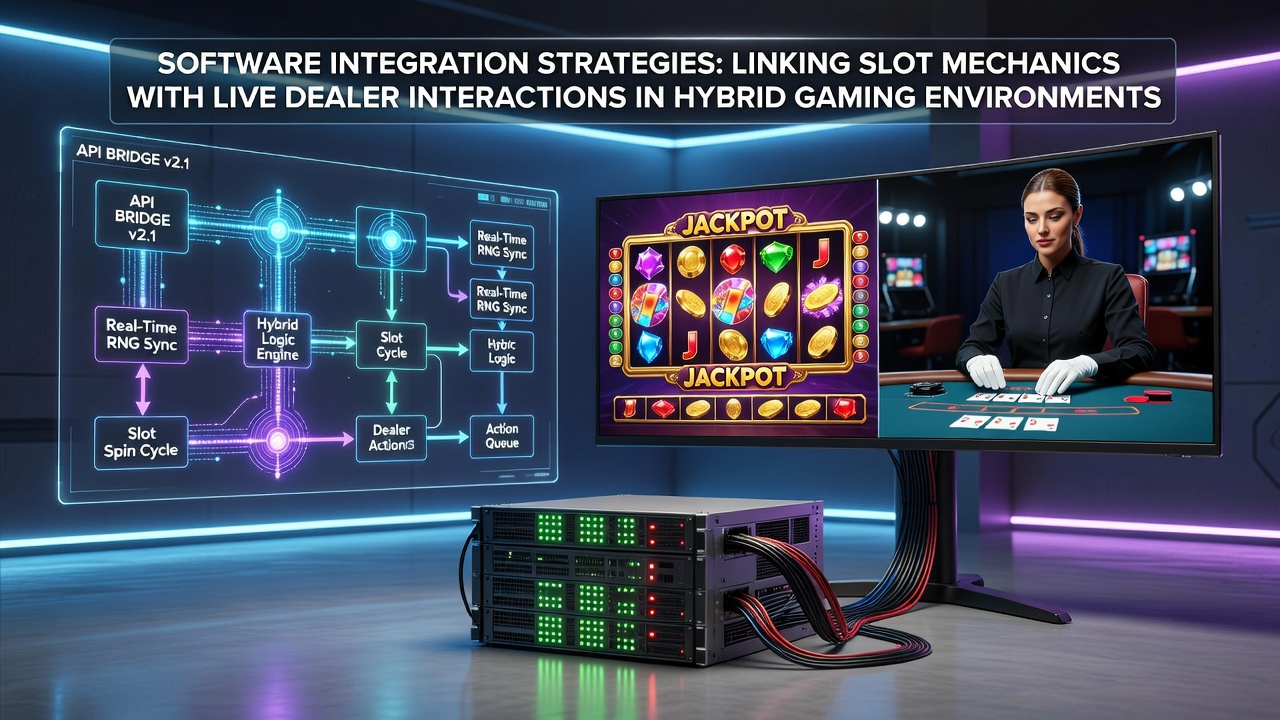
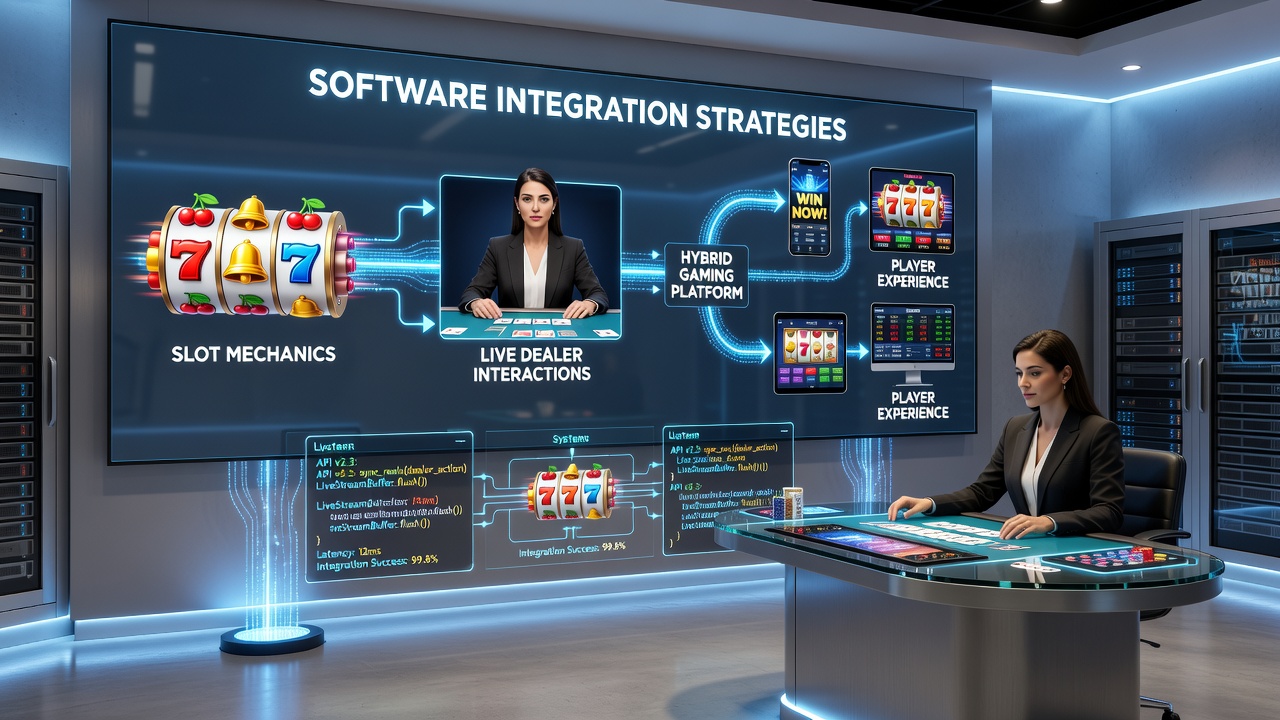
Hybrid gaming environments combine the automated mechanics of digital slots with the real-time presence of live dealers, and software teams have developed layered integration strategies to make these two systems operate as one continuous experience. Developers build these platforms around shared data pipelines that push reel outcomes, bonus triggers, and multiplier values directly into live-stream overlays while the dealer’s physical actions update virtual meters visible on slot interfaces.
Core Architecture Patterns
Engineers typically layer a central orchestration service between the slot engine and the live dealer broadcast system so that every spin result triggers an immediate API call to the dealer table module. This service handles state synchronization across multiple game instances, ensuring that a progressive jackpot hit on the reels appears as an on-screen notification at the physical table within milliseconds. Research from industry monitoring groups shows that platforms using this orchestration model reduce desync incidents by more than 60 percent compared with earlier point-to-point connections.
Another pattern relies on event-driven microservices where each mechanic publishes messages to a shared queue. Slot servers publish spin results while dealer terminals publish card draws and wheel outcomes; both sets of messages feed a common rendering engine that composites video and graphics for the end user. Teams at several large operators have reported that this queue-based approach scales more reliably during peak traffic periods because individual services can be updated without restarting the entire environment.
Data Synchronization Techniques
Real-time synchronization depends on low-latency protocols such as WebSocket streams and gRPC calls that carry structured payloads containing reel positions, RTP adjustments, and dealer actions. When a slot bonus round activates, the payload includes timing offsets so the dealer can verbally acknowledge the feature on the live feed without breaking immersion. Observers note that platforms running these streams on edge servers located near major data centers achieve sub-200-millisecond round-trip times even for international players.
Time-stamping every event becomes essential because dealers and slot engines operate on separate clocks. Integration layers insert synchronized timestamps at the orchestration service, then reconcile any drift using periodic heartbeat checks. Data collected across North American and European deployments indicates that timestamp reconciliation prevents the majority of timing-related player complaints that previously arose during combined bonus sequences.
Interface Cohesion and Player Flow
Design teams align visual language so that slot symbols share color palettes and animation timing with the dealer’s table layout. When a player triggers a live bonus from a slot, the interface transitions by shrinking the reel grid into a corner window while expanding the dealer feed; the reverse occurs once the bonus concludes. Several operators have published internal metrics showing that these seamless hand-offs increase average session duration because players remain engaged rather than navigating separate game lobbies.
Input handling also merges across devices. Touch gestures on mobile reels translate into equivalent commands for the live dealer module, allowing a single tap sequence to place side bets or adjust chip values during a shared feature. Regulatory filings from the Pennsylvania Gaming Control Board document that platforms demonstrating unified input systems receive faster approval for new hybrid titles because they present fewer opportunities for player error.
Security and Compliance Layers
Encryption covers both the video stream and the data packets that move between slot logic and dealer terminals. Tokenization replaces sensitive player identifiers before any information reaches the orchestration service, while audit logs capture every state change for later review. According to figures published by the American Gaming Association, operators that maintain unified audit trails across hybrid products report fewer compliance findings during routine inspections.
Jurisdictions in multiple regions now require that hybrid systems undergo joint certification for both slot RNG and live dealer fairness. Testing houses examine the integration layer separately to confirm that no hidden variables alter outcomes when the two game types interact. Reports from the European Gaming and Betting Association indicate that certification timelines shortened in 2025 once vendors standardized their API schemas for cross-mechanic communication.
Operational Considerations in Mid-2026
By July 2026 several major platforms plan to roll out updated orchestration services that incorporate predictive buffering. These buffers anticipate likely bonus triggers based on historical reel data and preload dealer video segments, reducing perceived latency during high-stakes moments. Technical documentation released by suppliers shows that the new buffering logic operates entirely on the client side so central servers remain unaffected.
Staff training programs have also evolved. Dealers now receive real-time prompts through private monitors that display upcoming slot events, allowing them to prepare verbal cues without breaking table flow. Training records from multiple sites confirm that dealers adapt to these prompts within two weeks when the interface presents information in the same visual style used for traditional table management.
Conclusion
Software integration strategies that link slot mechanics with live dealer interactions continue to mature through layered orchestration, event-driven messaging, and unified interface design. Data from regulatory bodies and industry associations demonstrate measurable gains in synchronization speed, compliance efficiency, and player retention when these approaches are applied consistently. As hybrid environments expand, the same technical patterns are expected to support additional game types while maintaining the single-session continuity that defines the format.