Algorithmic Links Between Random Number Generators and Loyalty Systems in Regulated Virtual Table Platforms
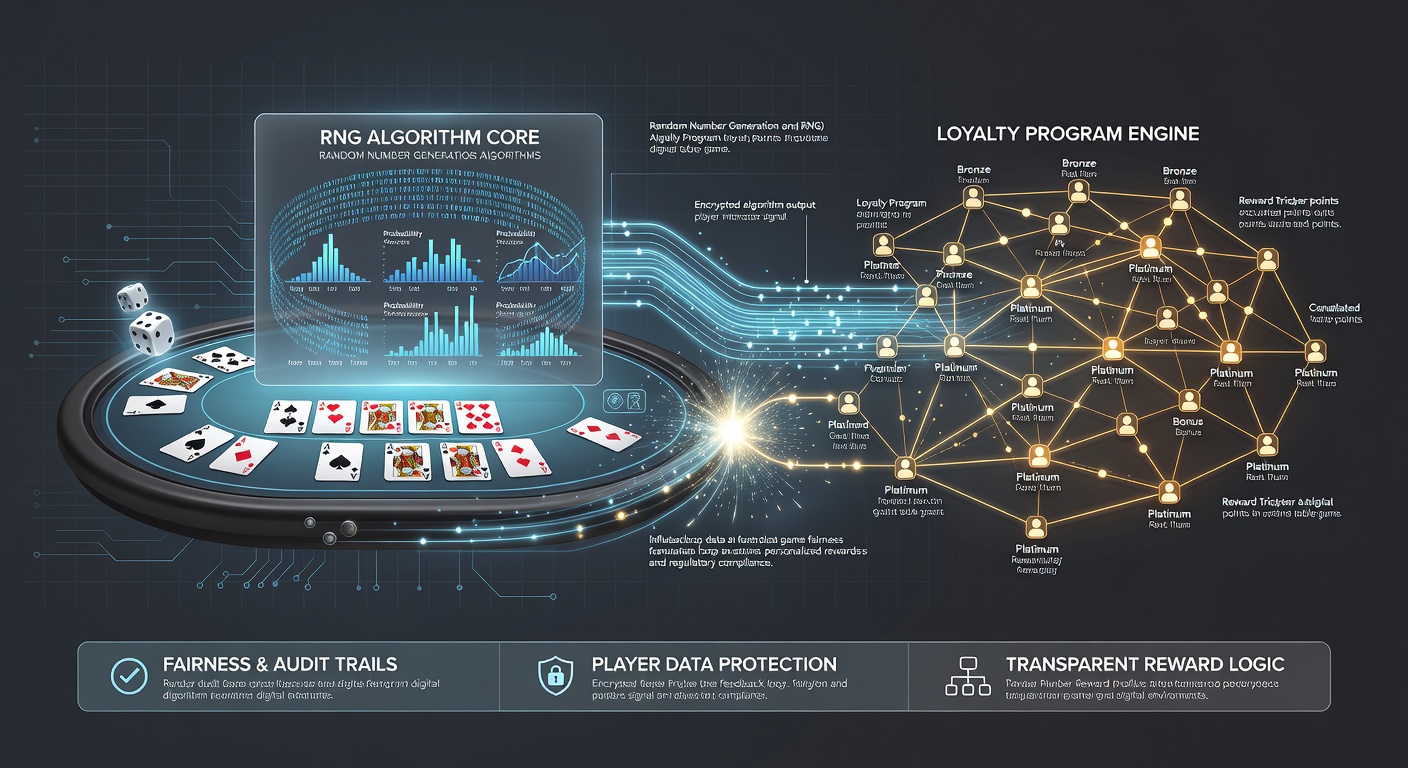
Random number generators form the foundation of fairness in regulated digital table environments, while loyalty program algorithms track player activity and distribute rewards based on defined metrics, and observers note that these two systems increasingly share data streams in platforms operating under licenses from bodies such as the New Jersey Division of Gaming Enforcement and the Nevada Gaming Control Board.
Regulated operators configure RNG outputs to determine card sequences in blackjack, roulette outcomes, and dice results in craps, whereas loyalty algorithms calculate points from wager volume, session duration, and game type, and studies from the University of Nevada, Reno gaming research division indicate that integration occurs through backend databases that log each RNG result alongside corresponding player accounts.
Core Mechanics of RNG in Table Games
Certified RNG engines undergo testing by independent laboratories to meet standards set by organizations like the International Gaming Standards Association, and these systems produce sequences that simulate physical randomness with verifiable entropy levels, while table game software pulls fresh values for every hand or spin to prevent predictability.
Data from these generators feeds directly into game servers that enforce house edges across multiple jurisdictions, and in environments licensed by Australian state regulators such as the New South Wales Independent Liquor and Gaming Authority, operators must maintain audit trails that link each RNG call to session records for compliance verification.
Loyalty Program Structures and Data Inputs
Loyalty algorithms assign tier status and bonus credits according to formulas that weigh theoretical loss, actual bets placed, and frequency of play, and these programs often segment users into categories that trigger personalized offers through machine learning models trained on historical datasets.
Points accrual depends on the volume of resolved bets rather than individual wins or losses, which allows the system to remain neutral to RNG variance, yet integration points emerge when operators adjust reward multipliers based on aggregated performance across RNG-driven games like baccarat and roulette variants.
Integration Points and Data Exchange
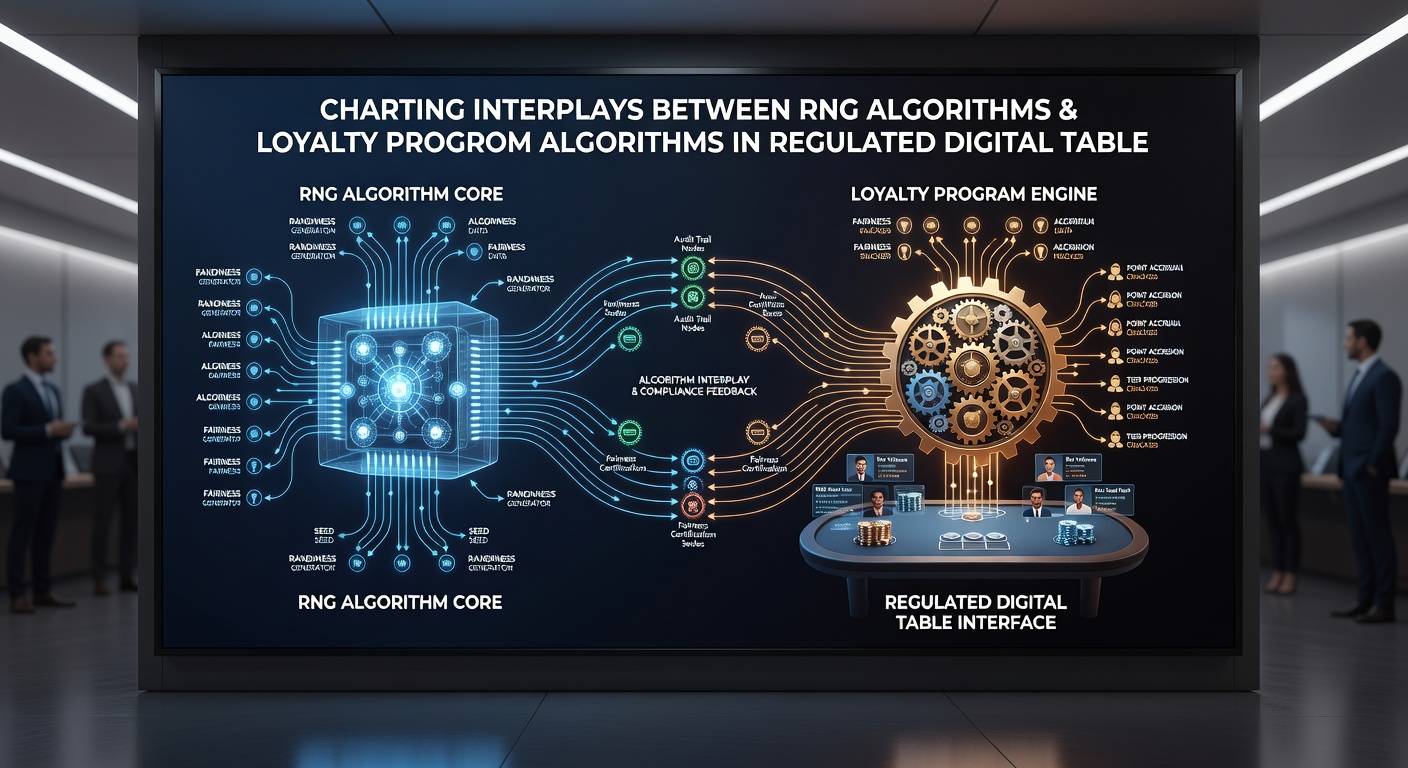
Backend platforms route RNG results into loyalty databases through secure APIs, and this exchange enables real-time updates to player profiles that reflect recent table activity, while reports compiled by the European Gaming and Betting Association highlight how such connections support responsible gaming features like session limit alerts tied to wager patterns.
Developers design loyalty engines to process RNG-derived statistics such as average bet size per hand and game completion rates, and these metrics help determine eligibility for tier upgrades or cashback percentages without altering the randomness of future outcomes, and in Canadian provinces regulated by the Alcohol and Gaming Commission of Ontario similar architectures have been documented in compliance filings submitted during 2025.
Security protocols encrypt the combined data flows to prevent unauthorized access, and regulators require periodic third-party audits that examine both RNG certification and loyalty calculation accuracy, whereas any detected discrepancies trigger immediate investigation under frameworks established by multiple international licensing authorities.
Regulatory Oversight Across Jurisdictions
Licensing conditions in places like New Jersey and Nevada mandate that loyalty rewards cannot influence RNG behavior or game fairness, and operators demonstrate compliance through documented separation of core game logic from marketing modules, while academic papers published by researchers at the University of Waterloo explore statistical models that verify independence between reward distributions and random sequences.
Updates scheduled for implementation in May 2026 across several European markets will require enhanced logging of algorithm interactions, and these forthcoming rules aim to standardize how player data from table environments moves between RNG servers and loyalty management systems without creating exploitable pathways.
Technical Considerations in Algorithm Design
Engineers employ modular architectures that isolate RNG functions from loyalty scoring routines, and this separation reduces the risk of unintended feedback loops, whereas shared analytics layers allow aggregated insights that inform game portfolio decisions without compromising individual session integrity.
Performance monitoring tools track latency in data handoffs between the two algorithm sets, and operators report that optimized integrations maintain sub-second response times during peak traffic periods in multi-table live dealer environments.
Conclusion
Interactions between RNG algorithms and loyalty program algorithms in regulated digital table environments center on controlled data sharing that supports both fairness verification and reward distribution, and ongoing developments in licensing standards continue to shape how these systems coexist within secure operational frameworks across global markets.